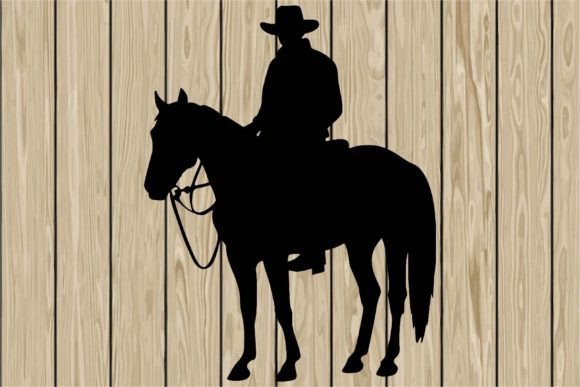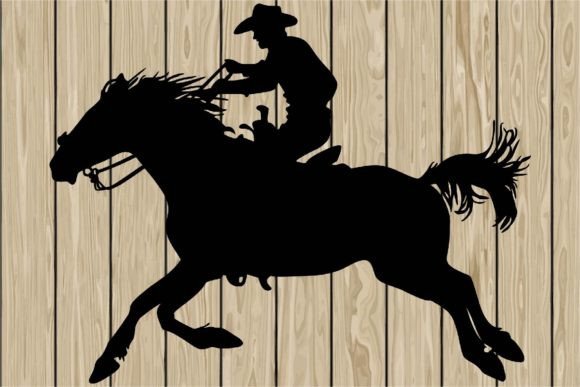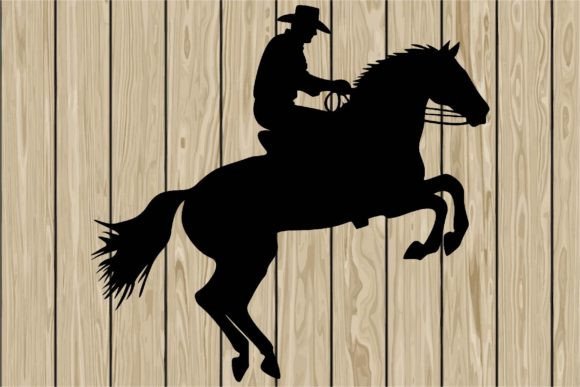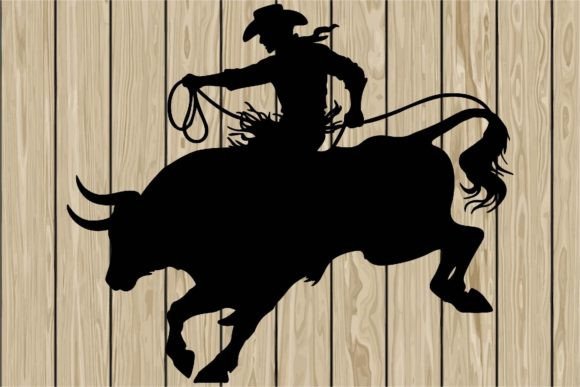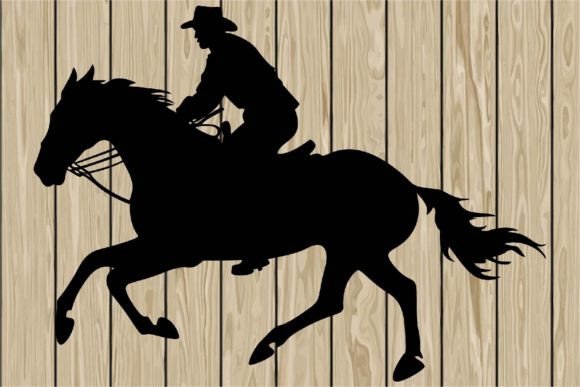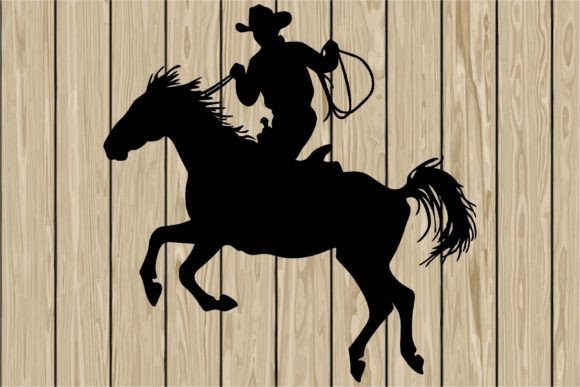
Cowboy Holding Lasso Silhouette
When I review a new digital embroidery file, my first instinct is to look past the marketing copy and examine the actual geometry of the design. Does it hold up under the tension of thread? Will it translate well from a screen to fabric? Today, I am putting the Cowboy Holding Lasso Silhouette through that same rigorous evaluation. This isn’t just about whether the lines are clean; it is about whether this specific imagery works for real-world applications like custom apparel, boutique merchandise, or heartfelt personalized gifts.
First Impressions: Mood and Visual Personality
The moment you load the Cowboy Holding Lasso Silhouette into your software, the mood is established immediately. It evokes a sense of rugged adventure, western heritage, and timeless Americana. As a designer, I appreciate designs that communicate a narrative without needing excessive detail. This silhouette relies on strong, confident shapes—the arc of the lasso, the posture of the rider, the stance of the horse—to tell its story. It feels bold and graphic, which is exactly what we want in an embroidery project where clarity is king.
The visual personality here is masculine yet versatile. It does not feel overly delicate or fussy, which makes it an excellent candidate for items like sweatshirt embroidery, durable tote bag design options, or sturdy workwear. The negative space within the lasso loop provides a natural focal point, drawing the eye inward. This balance suggests that the design will age well, avoiding trends that might feel dated in a year or two.
Real-World Application: From Screen to Stitch
Let’s imagine a practical scenario. You are preparing a batch of handmade products for an upcoming craft fair or updating your Etsy listings for the holiday season. You decide to create a line of rustic-themed home goods. The Cowboy Holding Lasso Silhouette becomes the centerpiece of a custom embroidered patch intended for denim jackets or canvas backpacks.
In this context, the design performs admirably. Because it is a silhouette, it lends itself beautifully to solid color fills. Whether you choose a deep navy thread for a nautical-western fusion or a warm tan for a classic cowboy aesthetic, the shape remains distinct. It translates seamlessly onto various substrates. I have seen similar silhouettes succeed on heavy cotton twill for caps, soft fleece for baby blankets, and even stiff interfacing for embroidered patches. The versatility here is high, making it a valuable asset for any craft business looking to expand their catalog with design assets that appeal to a broad audience.
Furthermore, this design fits naturally into the category of personalized gift ideas. A parent might order a onesie for a baby shower themed around future rodeo days, or a homeowner might commission a wall hanging for a cabin or farmhouse kitchen. The Graphics nature of the file means it can be scaled effectively, allowing you to offer different price points based on the size of the finished product.
Technical Considerations and Stitch Behavior
While the visual appeal is strong, an experienced reviewer must consider the technical execution. When converting a vector-based Silhouette SVG File into machine embroidery stitches, several factors come into play. The primary concern with any large graphic is stitch density. If the fill stitch is too dense, the fabric may pucker or become stiff to the touch, ruining the drape of a custom apparel item like a t-shirt or sweatshirt.
Conversely, if the stitch count is too low, the design may look sparse or lack definition. For the Cowboy Holding Lasso Silhouette, I recommend checking the stitch density settings in your digitizing software. You want a balance that provides full coverage without overwhelming the base material. Additionally, pay close attention to the corners and curves of the lasso. Sharp angles in embroidery often require careful stabilization to prevent distortion. If the design includes small details, such as facial features or intricate saddle patterns, ensure they are large enough to be recognizable after stitching. Tiny elements often get lost in the texture of the thread or the weave of the fabric.
Where to Use It Carefully
There are certain scenarios where this design requires extra caution. Avoid using it on highly textured fabrics like bouclé or thick chenille, as the fabric grain can obscure the clean lines of the silhouette. Similarly, be wary of using it on stretchy knits without proper stabilizer support, as the tension of the needle piercing the fabric can cause the design to shift or distort during stitching.
Small hoop sizes present another challenge. If you attempt to shrink the Cowboy Holding Lasso Silhouette down to fit a tiny 4x4 inch hoop, you risk losing the integrity of the shape. The proportions may become awkward, and fine details may merge into indistinguishable blobs. It is best suited for medium to large formats where the artistic intent can breathe. Also, consider the contrast between your thread colors and the background fabric. On dark fabrics, light threads provide better visibility, while on light fabrics, darker threads ensure the silhouette stands out sharply.
Impact on Brand and Customer Trust
For Etsy sellers and small shop product creators, the quality of your design directly impacts customer trust. A well-executed machine embroidery design signals professionalism. When a buyer receives a hoodie with a crisp, stable, and visually pleasing Cowboy Holding Lasso Silhouette, they perceive higher value. They see the care taken in the creation process, which fosters loyalty and encourages repeat purchases.
This design also enhances the handmade presentation of your items. It looks intentional and curated, rather than generic or mass-produced. In a crowded marketplace, this distinction matters. Buyers are often looking for unique commercial embroidery pieces that reflect a specific style or subculture. By offering this western-themed graphic, you tap into a dedicated niche of customers who appreciate rodeo culture, outdoor lifestyles, and rustic aesthetics.
Practical Designer Notes for Success
To ensure the best results when working with this file, follow these practical steps:
- Test on Scrap Fabric: Always run a test stitch-out on a piece of the same fabric you plan to use for the final product. This helps you identify potential issues with tension or stability before committing to the final piece.
- Check Thread Color Contrast: Review how your chosen thread colors interact with the fabric. High contrast generally yields the clearest result for silhouette designs.
- Review Stitch Density: Inspect the digitization for overly dense areas. Adjusting the stitch length or type (e.g., switching from a dense fill to a combination of running stitch and fill stitch) can improve the finish.
- Confirm Hoop Size: Ensure the design fits comfortably within your machine’s hoop limits, leaving enough margin for accurate hooping.
- Inspect Small Details: Zoom in on the digital preview. Are there any tiny spikes or isolated pixels that might not stitch out cleanly?
- Use Proper Stabilizer: Select the right stabilizer for your fabric type. Cut-away stabilizers are generally recommended for woven fabrics and garments that will undergo frequent washing, while tear-away may suffice for temporary projects.
- Verify Licensing: Before selling finished items or distributing the digital embroidery file, confirm the licensing terms. Ensure you have the commercial rights to produce and sell goods made from this design.
Ultimately, the Cowboy Holding Lasso Silhouette is a robust, versatile option for designers looking to add a touch of western charm to their portfolio. It balances aesthetic appeal with practical usability, making it a smart choice for everything from personal hobby projects to professional craft business inventory. By paying attention to the technical details and choosing the right materials, you can create stunning finished product outcomes that resonate with your customers.