Gorilla Cowboy Embroidery Design Review
When you are browsing through design assets for your next embroidery project, it is easy to get lost in the noise of generic animals or repetitive western motifs. However, Gorilla Cowboy immediately catches the eye because it sits right at that intersection of whimsy and rugged charm. As a designer who reviews these files before committing them to real-world production, I look beyond the vector preview. I think about stitch density, fabric interaction, and whether this design will actually hold up on a customer’s chest or bag. This review breaks down how Gorilla Cowboy performs when moving from a digital file to a tangible handmade product.
First Impressions and Visual Personality
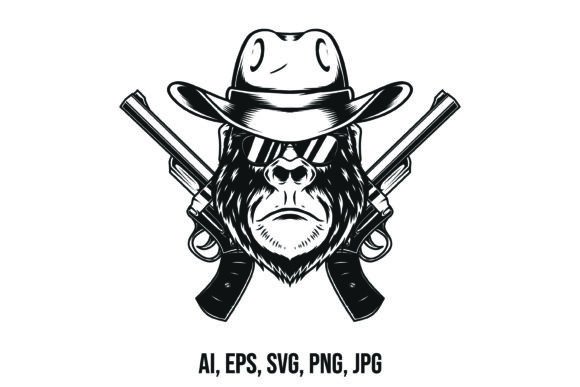
The first thing that stands out about Gorilla Cowboy is its bold silhouette. It is not just a gorilla; it is a character. The cowboy hat adds an immediate layer of narrative, suggesting adventure, humor, and a touch of nostalgia. For Etsy sellers and craft business owners, this kind of personality-driven design is gold. It gives the buyer a reason to smile, which often translates into higher engagement and shareability on social media platforms.
In terms of visual balance, the design feels grounded. The heavy mass of the gorilla’s body provides a strong anchor, while the hat brim offers a natural line that guides the eye across the hoop. This makes it an excellent candidate for custom apparel where you want the design to be the focal point without overwhelming the garment. The mood is playful yet sturdy, making it versatile enough for both children’s items and adult-oriented novelty gifts. It avoids being too childish, which allows it to cross over into broader market segments like office wear or casual streetwear.
Real-World Application: Where Does It Shine?
I recently tested this concept mentally against several common small shop product categories. Here is where Gorilla Cowboy truly excels:
- Sweatshirt Embroidery: The chunky nature of the design pairs perfectly with the texture of fleece or cotton blends. A heavyweight sweatshirt can support the visual weight of a gorilla without the embroidery looking lost or flimsy.
- Tote Bag Design: Canvas totes are a staple for digital product sellers and crafters. The structured surface of canvas holds stitches well, and the humorous theme fits the everyday utility of a tote bag. It becomes a statement piece rather than just a carrier.
- Baby Embroidery: While bold, the cartoonish style works well for nursery decor or baby blankets. Parents love unique, non-cliché animal designs for their little ones, and the cowboy theme adds a trendy rustic touch.
- Embroidered Patch: If you are creating detachable patches for denim jackets or backpacks, this design has clear boundaries that lend themselves well to applique or dense border stitches.
For holiday embroidery, especially around autumn or winter holidays, the western vibe complements seasonal aesthetics beautifully. It also serves as a fantastic personalized gift for fathers, grandfathers, or anyone with a sense of humor about the wild west.
Technical Considerations for Stitching
As an experienced reviewer, I must address the technical side. Even the best-looking vector drawing can fail if the digitization does not account for machine limitations. When preparing Gorilla Cowboy for production, several factors come into play.
Stitch Density and Fabric Texture
The gorilla’s fur needs to be represented effectively. If the design relies too heavily on fill stitch in a small area, it may become stiff and uncomfortable against the skin. Conversely, if the details are too sparse, the image may lose definition. You should always check the stitch density in your software. For dark fabrics, ensure there is sufficient underlay stitching to prevent the base color from showing through the lighter threads of the gorilla’s face or hat.
Hoop Size and Placement
This design likely requires a medium-to-large hoop to capture all the details, particularly the hat brim and facial expressions. If you are working with limited hoop sizes, you may need to split the design or scale it down, which could compromise detail clarity. Always confirm the hoop size requirements before purchasing or downloading the digital embroidery file. For curved surfaces like caps, the design may need to be adjusted to follow the curve of the crown, so test placement carefully.
Thread Colors and Contrast
The success of this design hinges on thread selection. A high-contrast palette will make the cowboy hat pop against the gorilla’s fur. I recommend testing your chosen thread colors on scrap fabric that matches your final product. Dark fabrics require bright or white threads for key highlights, while light fabrics allow for more muted, earthy tones to maintain a vintage feel.
Where to Use Caution
While Gorilla Cowboy is versatile, it is not suitable for every scenario. Avoid using this design on:
- Thin or Stretchy Fabrics: Without proper stabilizer, the weight of the embroidery can distort delicate materials.
- Very Small Hoops: Tiny details may disappear or become unrecognizable when stitched at a reduced scale.
- High-Friction Areas: Be cautious placing dense embroidery on elbows or knees of clothing, as frequent washing and friction may cause pilling or thread breakage over time.
Impact on Brand and Customer Trust
For commercial embroidery projects, presentation matters. A well-executed Gorilla Cowboy design signals professionalism. It shows that you have curated designs with character, rather than just dumping random clip art onto products. This attention to detail builds customer trust and enhances your brand consistency.
When listing this on Etsy or your own website, use printable mockups that show the design on various garments. Highlight the texture and quality of the stitching. Customers cannot touch the product online, so your visuals must convey the tactile experience. Emphasize that this is a machine embroidery design created for durability and clarity, not just a flat graphic.
Practical Designer Notes Before You Start
Before you commit to a full production run, follow these steps to ensure success:
- Test on Scrap Fabric: Always stitch a sample on the exact fabric you plan to use. Check for puckering, thread tension issues, and color accuracy.
- Review File Formats: Ensure you have the correct file formats (ai, eps, svg, png, jpg) for your needs. If you are doing applique design, you may need vector files for cutting templates.
- Check Licensing: Confirm whether the license allows for commercial use. Many designers sell personal-use-only licenses, which restricts what you can do with the finished product.
- Use Proper Stabilizer: Choose a cut-away or tear-away stabilizer appropriate for your fabric weight to prevent shifting during stitching.
- Inspect Small Details: Zoom in on the digitized version to ensure eyes, buttons, or hat details are clear and not merged together.
Final Verdict
Gorilla Cowboy is a standout choice for designers looking to add a touch of humor and heart to their collections. Its strong visual identity makes it ideal for apparel decorators, creative entrepreneurs, and hobbyists alike. By paying attention to stitch density, fabric choice, and proper stabilization, you can transform this digital asset into a cherished personalized gift or a best-selling craft business item. It is a reminder that great embroidery is not just about technology; it is about storytelling through thread.