Cowboy Holding Pistol Riding Angry Bull Review
When I sit down to evaluate a new machine embroidery design, I am rarely looking for something that simply "looks cool." I am looking for viability. Does this design hold up under the tension of stitching? Will it translate well from a digital preview to a physical finished product? And most importantly, does it have the visual weight to justify the time and labor involved in creating a handmade item?
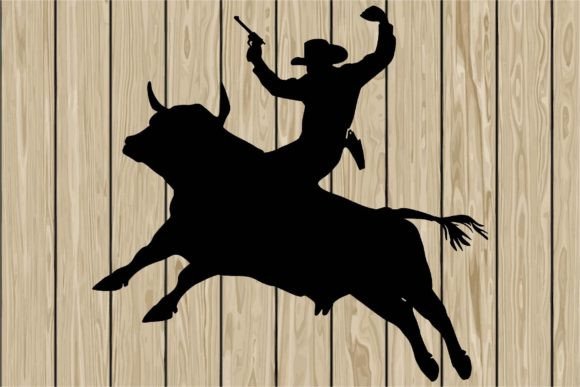
This is where my assessment of the Cowboy Holding Pistol Riding Angry Bull silhouette becomes relevant. At first glance, this file presents a high-contrast, action-oriented graphic that screams Western flair. It is bold, dramatic, and undeniably eye-catching. But as an experienced designer reviewing this for real-world application, I need to look past the initial excitement and dissect how this embroidery file will behave on the hoop.
First Impressions and Visual Personality
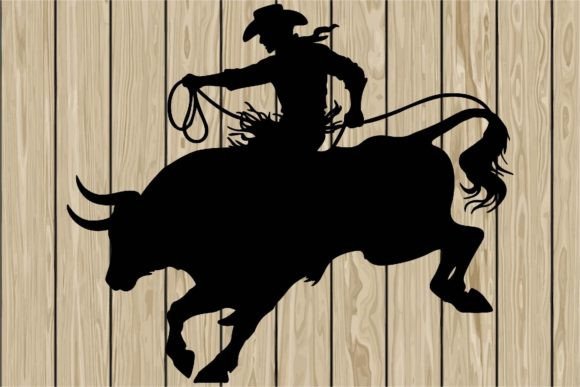
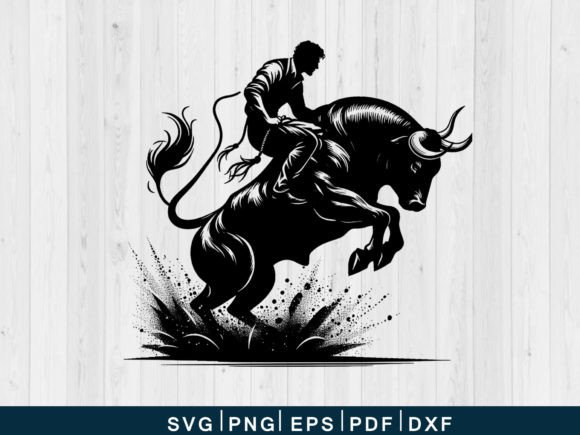
The Cowboy Holding Pistol Riding Angry Bull design operates heavily on silhouette. In the world of graphics and crafts, silhouettes are powerful because they rely on strong outlines rather than intricate internal shading. This is a double-edged sword for embroidery. On one hand, it means fewer color changes and potentially faster stitching times. On the other hand, it demands perfect execution of the outer edges.
The mood created here is aggressive yet playful. The image of a cowboy holding a pistol while riding an angry bull suggests a theme of chaos, adventure, or perhaps a humorous take on rodeo culture. For a custom apparel project, this personality shines. It is not a subtle design; it is meant to be seen. When I imagine this stitched onto a garment, I see a statement piece. It fits naturally into categories like sweatshirt embroidery for adult wear or even a bold graphic on a toddler’s onesie for parents with a sense of humor about the wild west.
The layout is compact enough to fit within standard hoop sizes but detailed enough to require careful planning. The dynamic angle of the bull and the cowboy’s posture create diagonal lines that add energy to the composition. In embroidery project planning, diagonal lines can sometimes cause fabric distortion if not stabilized correctly, so this is a factor to keep in mind.
Real-Life Application: From Digital File to Physical Product
Let’s talk about where this design actually lives in a maker’s workflow. I recently considered using a similar high-contrast Western motif for a batch of custom tote bag design items intended for a craft fair. The goal was to create a handmade product that stood out against generic floral or minimalist prints.
If I were to apply the Cowboy Holding Pistol Riding Angry Bull to a canvas tote, the contrast would pop beautifully, especially if paired with a neutral-colored bag. However, I would need to consider the scale. A small placement might get lost, while a large chest print could overwhelm the bag’s structure. This design feels best suited for larger surface areas where the silhouette can breathe.
Another scenario involves personalized gift items, such as embroidered patches or cap fronts. The rugged theme aligns perfectly with embroidered patch aesthetics often seen in outdoor gear or biker culture. For a boutique selling small shop product lines targeting a masculine or rustic demographic, this design offers strong brand consistency. It signals durability and fun, which are key selling points for Etsy seller listings aiming at niche audiences.
I also envision this working well for holiday embroidery projects, particularly around events like the Fourth of July or National Cowboy & Heritage Celebration Week. The thematic relevance boosts customer engagement because buyers feel they are purchasing something timely and culturally resonant.
Technical Considerations and Stitch Behavior
As a reviewer, I must address the technical realities of digitizing or using a silhouette-based digital embroidery file. Because the design relies on solid shapes, it likely utilizes a combination of fill stitch for the body masses and satin stitch for the outlines. The success of this piece hinges on the quality of those satin stitches.
If the edge stitches are too loose, the sharp angles of the bull’s horns or the cowboy’s hat may appear ragged. If they are too dense, the fabric may pucker, ruining the drape of a custom apparel item like a t-shirt or sweatshirt. I always advise testing the stitch density on scrap fabric that mimics the final material. For stretchy fabrics like jersey knits used in baby clothes, additional stabilizer is non-negotiable to prevent distortion.
Thread colors are another critical variable. Since this is a silhouette, you might opt for a single-color monochrome look for a modern aesthetic, or use multi-color thread to differentiate the cowboy’s shirt from the bull’s hide. If you choose multi-color, ensure the transition points are clean. Clashing thread shades can muddy the visual impact of the graphics.
Where to Use Carefully
While this design has broad appeal, there are specific contexts where it requires caution:
- Small Hoop Sizes: Attempting to cram this dynamic scene into a tiny 4x4 inch hoop may result in cramped details. The pistol and facial features might become indistinct blobs of thread.
- Textured Fabrics: Materials like bouclé wool or heavy denim can obscure fine details. The silhouette might lose its definition if the fabric nap interferes with the needle penetration.
- Curved Surfaces: Applying this to a curved cap front can distort the perspective. The bull might appear stretched or warped unless the design is specifically digitized for curved surfaces.
- Dense Stitch Areas: If the design includes heavy fill stitches, it may add significant weight to lightweight fabrics like thin cotton tees, causing them to sag over time.
Impact on Brand Value and Customer Trust
In the competitive landscape of craft business online marketplaces, presentation is everything. A well-executed printable mockup of the Cowboy Holding Pistol Riding Angry Bull can significantly enhance perceived value. Customers trust designs that look professional and intentional. When a buyer sees a crisp, stable embroidery sample, they associate that quality with the durability of the finished item.
Conversely, a poorly stitched version can damage your reputation. This is why checking your work in black and white mockups is a vital step. It helps you verify that the contrast levels are sufficient and that no important elements are getting lost in the noise. For commercial embroidery clients, delivering a clean, reliable design builds long-term relationships and repeat business.
Practical Designer Notes for Implementation
Before committing to a full production run, I recommend the following workflow:
- Test on Scrap Fabric: Always stitch the design on the exact fabric type you plan to sell. This reveals issues with puckering, thread tension, and color visibility.
- Check Stabilizer Compatibility: Ensure you are using the right stabilizer (cut-away vs. tear-away) for the fabric weight to maintain shape integrity.
- Review Licensing: Confirm whether the embroidery file allows for commercial use of the finished products. Selling items made from unauthorized designs can lead to legal complications.
- Inspect Small Details: Zoom in on the digital file to check for any stray nodes or overly complex paths that might cause machine errors or unnecessary stitching time.
- Compare Backgrounds: Test the design on both light and dark fabrics to determine the most versatile thread color palette for your inventory.
Ultimately, the Cowboy Holding Pistol Riding Angry Bull is a strong candidate for makers who want to inject energy and character into their design assets. It is not a subtle, background pattern; it is a focal point. By respecting its technical requirements and understanding its thematic strengths, you can transform this simple silhouette into a high-value handmade product that resonates with customers seeking unique, rugged, and expressive embroidery project ideas.