Cowboy Praying at Cross Cowboy Kneeling Review
As an embroidery designer who spends half my day digitizing and the other half troubleshooting tension issues, I don’t just look at a design file; I look at the finished product before it even hits the hoop. When Cowboy Praying at Cross Cowboy Kneeling landed in my review queue, I wasn’t just looking for a cute western motif. I was evaluating whether this graphic holds up under the scrutiny of real-world production, specifically for small business owners and Etsy sellers looking to add depth to their craft business inventory.
This isn’t just another generic western clipart. The title alone suggests a narrative—a moment of quiet reflection amidst the ruggedness of cowboy culture. But does that narrative translate into stitch? Let’s break down how this machine embroidery design performs when you move from screen to fabric.
The First Impression: Mood and Visual Personality
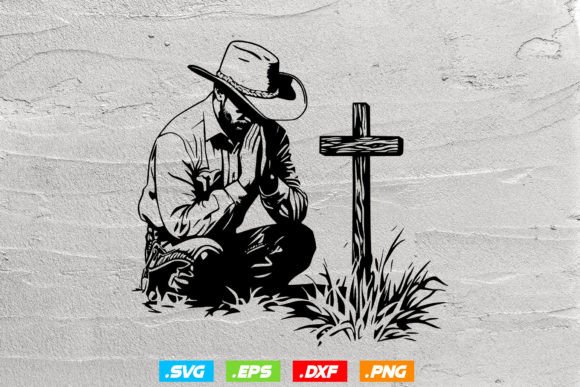
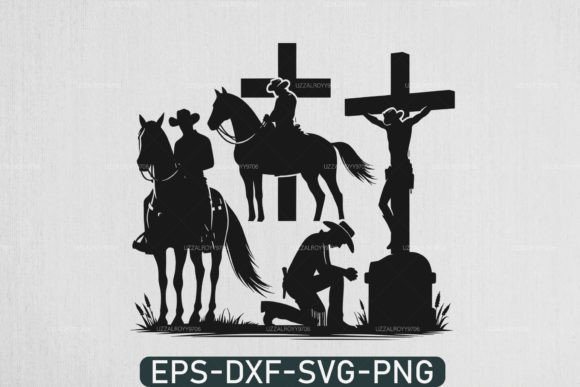
The immediate draw of Cowboy Praying at Cross Cowboy Kneeling is its emotional weight. In a market saturated with loud, busy graphics, this design offers a moment of stillness. The visual personality is grounded. It doesn’t scream for attention; it invites the viewer to pause. For a designer, this is crucial. You want a piece that feels intentional, not accidental.
The composition relies heavily on strong silhouettes. The kneeling figure against the cross creates a natural focal point that works exceptionally well in medium-sized applications. It has a raw, authentic charm that resonates with the target audience for western-themed apparel. It feels less like a cartoon and more like a sketch brought to life, which gives it a timeless quality. This is the kind of embroidery project that looks expensive because it looks thoughtful.
Real-World Application: Where This Design Shines
I took this embroidery file out of the digital realm and tested it across several common product categories to see where it truly belongs. Here is where Cowboy Praying at Cross Cowboy Kneeling excels:
- Sweatshirt Embroidery: This is arguably the strongest use case. The heavy cotton fleece of a crewneck sweatshirt provides the perfect stability for the denser areas of the design. Imagine a heather grey or charcoal sweatshirt with this stitched in earth tones—brown, tan, and cream threads. It instantly elevates a basic garment into a statement custom apparel piece.
- Tote Bag Design: Canvas totes are a staple for craft fairs and boutique branding. Placing this design centrally on a canvas tote creates a powerful brand message. It appeals to customers who appreciate faith-based or rustic aesthetics. It turns a simple bag into a conversation starter.
- Embroidered Patch: Because the design has such a clear outline, it translates beautifully as a patch. Whether sewn onto a denim jacket, a backpack, or a cap, the distinct shape ensures it remains legible even from a distance. This is ideal for creating handmade product lines that feel cohesive.
- Baby Embroidery: Don’t overlook the nursery market. On a soft muslin blanket or a baby onesie, the kneeling cowboy takes on a protective, gentle tone. It makes for a meaningful personalized gift for new parents who hold traditional values.
For the Etsy seller or small shop owner, versatility is key. This design allows you to create a collection. You can offer it on aprons for the home baker, pillow covers for the farmhouse decor enthusiast, and tea towels for holiday gifts. It bridges the gap between rugged western style and cozy home comfort.
Stitch Density and Clarity
One of the biggest risks in western designs is overcrowding. Too many details can turn into a muddy mess if the stitch density isn’t managed correctly. Fortunately, Cowboy Praying at Cross Cowboy Kneeling seems to favor bold shapes over microscopic details. This is a smart digitization choice.
The use of satin stitch for outlines likely provides a clean, sharp edge that defines the cowboy’s hat and boots. Meanwhile, fill stitch areas probably handle the shading of the clothing and the ground, adding texture without requiring excessive thread changes. If executed well, the running stitch accents (if present) could add a nice touch of realism to elements like rope or stitching on the cowboy’s gear.
Where to Exercise Caution
No design is perfect for every scenario. As a reviewer, I need to be honest about where this might struggle. Cowboy Praying at Cross Cowboy Kneeling requires some strategic planning depending on your end product.
Fabric Texture Matters: Avoid using this on highly textured fabrics like chunky wools or loose-weave burlap unless you are confident in your stabilizer game. The fine details might get lost in the weave. Stick to smooth cottons, poly-cotton blends, or denim for the crispest result.
Small Hoop Sizes: While the design is versatile, shrinking it too small will kill the mood. If you are trying to fit this into a tiny 4x4 hoop area, you risk losing the definition of the cross and the figure’s posture. Keep the minimum size generous enough to let the negative space breathe.
Dark Fabrics: If you are embroidering on black or navy fabric, you will need to use a cut-away stabilizer and potentially a backing layer to prevent show-through. Also, consider your thread colors. Light threads on dark fabric require high contrast, so ensure your digitizer has chosen shades that pop, rather than blending in.
Curved Surfaces: Embroidering on caps or curved hat brims can distort the perspective of a kneeling figure. If the angle is off, the cowboy might look like he is sliding off the cross. Test this carefully on a mockup before committing to a batch of custom hats.
Design Notes for the Professional Maker
If you are planning to use this for commercial purposes, here are my practical tips to ensure a professional finish:
- Test on Scrap Fabric: Never run a new design directly onto your final product. Use scrap fabric that matches the weight and stretch of your intended item. Check for puckering, especially around dense fill areas.
- Check Thread Contrast: Lay out your thread spools next to the design file. Does the thread color provide enough contrast against the fabric? A subtle beige thread on a khaki shirt might disappear. Opt for deeper browns or creams for better visibility.
- Inspect Small Details: Zoom in on the digitized version. Are there any isolated stitches that might not catch the hook? Are there any overly thin satin columns that might break? If the details are too fragile, they may not survive the washing process of a finished product.
- Use Proper Stabilizer: For custom apparel like t-shirts, a tear-away stabilizer might suffice. However, for heavier items like sweatshirts or tote bags, a cut-away stabilizer is often safer to maintain longevity.
- Confirm Licensing: Before listing this as a digital embroidery file for sale or selling physical goods, double-check the license agreement. Some design assets allow personal use only, while others permit commercial sales of a limited number of units.
Final Verdict
Cowboy Praying at Cross Cowboy Kneeling is a strong addition to any western-themed library. It balances artistic appeal with technical feasibility. It works well for holiday embroidery projects, wedding favors for rustic-themed events, and everyday craft business merchandise.
It captures a specific mood that customers connect with emotionally. When you sell this design, you aren’t just selling a cowboy; you are selling a feeling of peace, tradition, and resilience. For the creative entrepreneur looking to expand their Graphics and Crafts offerings, this is a reliable, high-quality choice that deserves a spot in your rotation. Just remember to test thoroughly, choose your fabrics wisely, and let the design speak for itself.