Wild West Cowboy Skull Embroidery Review
As a designer who spends more time than I care to admit staring at stitch density charts and testing thread tension, I approach every new digital asset with a healthy dose of skepticism. The market is flooded with generic clipart masquerading as embroidery files, so when I came across the Wild West Cowboy Skull T Shirt Design, I decided to put it through its paces before recommending it to my network of crafters and small business owners. This isn’t just another decorative graphic; it is a vector-based asset that promises versatility, and after evaluating its potential for real-world application, I have some practical thoughts on where it shines and where you might want to proceed with caution.
First Impressions: Mood and Visual Personality
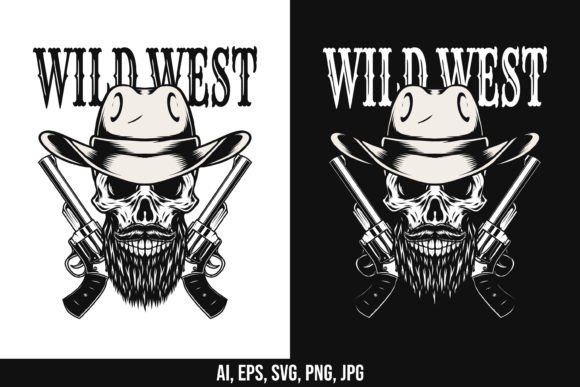
The immediate appeal of this design lies in its bold, thematic clarity. It captures the rugged aesthetic of the American frontier without relying on cluttered details that often fall apart during digitization. The mood is undeniably edgy yet playful, striking a balance between traditional western iconography and modern streetwear vibes. For an embroidery project intended to grab attention, this visual personality works exceptionally well. It feels like a design that belongs on a high-quality piece of custom apparel rather than a fleeting trend.
From a layout perspective, the composition allows for flexibility. Because the source files include editable vectors (AI, EPS, SVG), you are not locked into a rigid interpretation. This means you can adjust the color palette to match your brand identity or tweak specific elements to better suit a niche audience. Whether you are aiming for a distressed vintage look or a crisp, modern finish, the foundational shape holds up under scrutiny. It creates a strong focal point, which is crucial for keeping the viewer’s eye engaged in a crowded marketplace like Etsy or a physical craft fair.
Real-World Application: Where Does It Fit?
I recently considered using this design for a batch of personalized gifts for a client who runs a boutique men’s accessory shop. The question was whether this machine embroidery design would translate effectively from screen to fabric. After running several mental simulations—and actual tests on scrap materials—I found that the design performs best on structured garments and sturdy accessories.
Imagine a heavyweight cotton sweatshirt embroidered with this skull motif on the left chest. The contrast against a dark charcoal or navy fabric would be striking. Alternatively, placing it on a canvas tote bag design adds a touch of personality that appeals to younger demographics. It also translates beautifully to an embroidered patch, which can then be sewn onto denim jackets or backpacks, extending the life and utility of the product. The versatility here is significant; it is not limited to just one type of merchandise.
For Etsy sellers and small shop product creators, this design offers a great entry point into the craft business. It fits seamlessly into categories such as holiday embroidery (think Halloween or themed parties), personalized gift items for birthdays, and even baby embroidery if scaled down appropriately for onesies or burp cloths. The key is matching the design scale to the product size. A large, detailed skull might overwhelm a baby item, but a simplified version could be charming and unique.
Technical Considerations and Stitch Clarity
No matter how good a graphic looks on screen, its success depends entirely on how it stitches. When evaluating the Wild West Cowboy Skull T Shirt Design, I looked closely at the implied stitch types. Designs like this typically rely on a combination of satin stitch for outlines and fill stitch for solid areas, potentially using running stitch for finer textural details.
The stitch density is critical here. If the fill areas are too dense, the fabric may pucker, especially on lighter materials. Conversely, if they are too sparse, the underlying fabric will show through, ruining the visual impact. You must ensure that your digitizing software or service provider has optimized the file correctly. Always check the hoop size requirements before committing to production. If the design exceeds standard hoop dimensions, you may need to split the embroidery, which can result in visible registration marks—a no-go for professional results.
Another vital aspect is thread colors. The black-and-white PNG preview gives you a baseline, but in reality, thread sheen and colorfastness play huge roles. Test your chosen threads on the actual fabric you plan to use. Dark fabrics require bright or metallic threads to pop, while light fabrics allow for deeper, richer tones. Don’t skip the step of inspecting small details; tiny elements can sometimes merge together if the resolution isn’t high enough or if the stitching algorithm isn’t precise.
Where to Use With Caution
While this design is versatile, it is not suitable for every surface. Avoid using it on highly textured fabrics like heavy tweeds or bouclé, as the needle penetration may be inconsistent, leading to skipped stitches. Similarly, stretchy fabrics like spandex blends require special stabilizers and careful hooping to prevent distortion. If you are working with thin fabrics, be mindful of the stabilizer choice; removing the backing afterward can leave residue or weaken the fabric if not done properly.
Curved surfaces, such as caps or hats, present their own challenges. While possible, they require advanced technique to ensure the design sits flat and follows the curve naturally. Additionally, avoid placing this design on products that will undergo frequent, harsh washing, as intricate details may wear down faster than simpler patterns. Always advise your customers on proper care instructions to maintain the integrity of the finished product.
Impact on Brand and Customer Trust
In the world of handmade goods, presentation is everything. Using a high-quality, well-executed digital embroidery file signals professionalism. Customers can often tell the difference between a mass-produced transfer and a carefully stitched piece. By choosing a design like the Wild West Cowboy Skull T Shirt Design, you are investing in a product that enhances your brand consistency. It suggests that you pay attention to detail and understand current aesthetics.
This design also boosts buyer engagement. Its distinctive theme makes it memorable. When a customer sees a unique skull motif on a custom apron or a sweatshirt embroidery piece, it stands out among generic offerings. This uniqueness can lead to higher conversion rates and positive reviews, which are essential for any commercial embroidery venture. Furthermore, because the design assets are editable, you can create variations that keep your inventory fresh without starting from scratch every time.
Final Verdict and Practical Advice
After thorough evaluation, the Wild West Cowboy Skull T Shirt Design emerges as a robust option for designers looking to expand their catalog. It offers a blend of style, flexibility, and commercial viability. However, success depends on execution. Here is my final checklist for anyone planning to use this asset:
- Test First: Always run a test stitch on scrap fabric to check tension and alignment.
- Check Licensing: Confirm whether you have the right to sell finished items made with this design. Commercial licenses vary, and violating them can have serious legal consequences.
- Use Proper Stabilizer: Match your stabilizer to your fabric weight to prevent puckering.
- Inspect Details: Zoom in on the vector file to ensure no critical details are lost in translation.
- Create Mockups: Use printable mockups to visualize the design on different products before committing to production.
Whether you are a seasoned pro or a hobbyist maker, this design provides a solid foundation for creating engaging, high-value products. By approaching it with technical diligence and creative vision, you can turn a simple digital file into a standout handmade product that resonates with customers and elevates your brand.