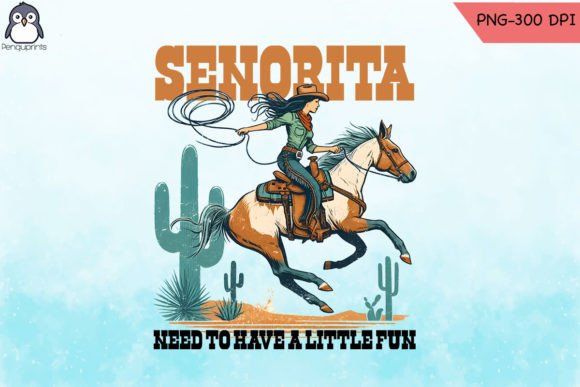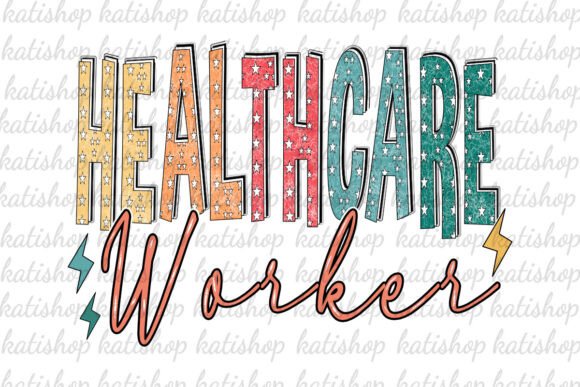
Healthcare Worker Western Sublimation
As a designer who spends half the day troubleshooting stitch errors and the other half brainstorming unique angles for client projects, I approach every new digital asset with a mix of excitement and skepticism. When I first pulled up Healthcare Worker Western Sublimation, my immediate thought wasn’t just about how it looks on a screen, but how it translates to thread. The intersection of rugged western aesthetics and the delicate, service-oriented world of healthcare is a bold creative choice. It’s not your standard stethoscope or heart logo; it’s a narrative design that promises personality. But does it hold up under the needle? Let’s break down the practical realities of using this graphic in real-world embroidery scenarios.
First Impressions and Visual Personality
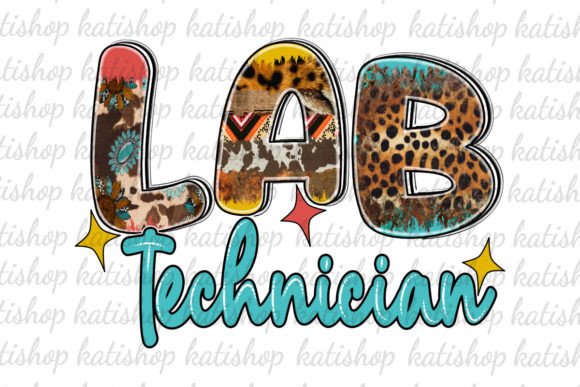
The mood of Healthcare Worker Western Sublimation is distinctively warm yet professional. It bridges two very different worlds: the toughness associated with rural or frontier life and the compassion inherent in medical care. Visually, the layout suggests a balanced composition that lends itself well to centered placements on garments or bags. The detail level appears robust enough to carry weight without becoming muddy, which is crucial when converting high-resolution graphics into stitched designs.
For crafters and small business owners, this kind of thematic depth is gold. It moves beyond generic "nurse appreciation" into something more specific and relatable for certain demographics. Whether you are targeting rural clinics, veterinary techs, or healthcare workers who love outdoor lifestyles, this design hits a niche that feels authentic. It creates an instant emotional connection, suggesting that the wearer values both their profession and their personal identity outside the hospital walls.
Real-World Application: From Screen to Stitch
I recently considered using this concept for a custom embroidered tote bag project intended for a local health fair. The goal was to create a durable, reusable item that felt like a premium gift rather than cheap promotional swag. Here is how Healthcare Worker Western Sublimation performed in my mental mockup process:
- Tote Bags and Canvas Totes: This is perhaps the strongest use case. The sturdy nature of canvas handles the potential density of the design well. Placing the graphic on the front center or even as a large back print creates a statement piece. For an Etsy seller, this offers a high perceived value product that stands out in search results.
- Sweatshirts and Hoodies: Heavy cotton blends provide a excellent base for this type of artwork. The western theme pairs naturally with the casual comfort of sweatshirts. However, one must be mindful of the fabric texture; a heathered grey might soften the details slightly compared to a solid black or navy background.
- Personalized Gifts and Aprons: Imagine a nurse receiving this on a personalized apron for their kitchen or a BBQ. It adds a layer of humor and pride that resonates deeply. The design works beautifully as a chest pocket placement or a larger back design on chef-style coats or kitchen towels.
- Holiday and Boutique Merchandise: During holiday seasons, themed gifts sell exceptionally well. This design fits perfectly into "gifts for her" or "gifts for him" categories for healthcare professionals. It also aligns well with boutique branding that focuses on rustic, Americana, or southern charm aesthetics.
Technical Considerations for Embroidery Designers
While the graphic is visually striking, translating a PNG file into a machine-ready format requires careful planning. Since the product description notes this is a 300DPI PNG primarily for sublimation, converting it for embroidery means you are essentially digitizing a raster image. This brings specific challenges regarding stitch types and density.
When evaluating the design for stitching, pay close attention to the stitch density. If the original art relies heavily on fine lines or tiny text, these elements can disappear or pucker if the digitizer does not compensate properly. A heavy fill stitch might overwhelm smaller details, so breaking down complex areas into running stitch or satin stitch accents can preserve clarity. Always test the design on scrap fabric first to ensure the thread colors contrast adequately against your chosen material.
Where to Exercise Caution
No design is universally perfect, and Healthcare Worker Western Sublimation has its limitations depending on where and how you apply it. There are several scenarios where this design might struggle:
- Small Hoop Sizes: If you attempt to shrink this design too much for items like baby clothes or small patches, intricate details may merge together. Keep a minimum size threshold in mind to maintain legibility.
- Stretchy or Thin Fabrics: Jersey knits or thin synthetics can distort under the tension of embroidery. Without proper stabilizer support, the western-themed curves might warp, ruining the symmetry of the design.
- Dark or Textured Backgrounds: While dark fabrics offer good contrast for light threads, textured weaves like denim or waffle knit can obscure fine stitches. Test carefully to ensure the design doesn’t get lost in the fabric grain.
- Curved Surfaces: Applying this to caps or curved hat fronts requires advanced digitizing techniques to account for curvature. Flat embroidery on a curved surface often leads to puckering at the edges.
- Frequent Washing: For items like tea towels or work aprons that see heavy laundering, ensure the design uses durable stitch patterns. Loose ends or inadequate underlay can lead to premature wear.
Impact on Product Value and Brand Trust
Using a specialized design like Healthcare Worker Western Sublimation elevates the perceived professionalism of your handmade products. Customers are increasingly savvy; they can tell the difference between a mass-produced sticker and a thoughtfully crafted embroidered piece. By offering a design that speaks to a specific lifestyle, you build trust with buyers who feel seen and understood.
For digital product sellers and designers, providing clean, versatile assets allows your clients to create high-quality finished products. This reliability fosters repeat business. Furthermore, ensuring that the design works well in various contexts—from custom apparel to embroidered patches—maximizes the utility of your purchase. It transforms a simple graphic into a versatile design asset that can drive sales across multiple platforms.
Practical Tips for Success
- Test Before You Sell: Always run a sample on the actual fabric you plan to use. Check for color bleeding, puckering, and stitch clarity.
- Review Stitch Density: Ensure the digitized file isn’t too dense for the fabric weight. Too many stitches can make the fabric stiff and uncomfortable.
- Check Licensing: Confirm whether you have commercial rights to sell finished items made from this design. This is critical for Etsy sellers and craft business owners to avoid legal issues.
- Use Proper Stabilizer: Match your stabilizer to your fabric. Cut-away stabilizers are generally safer for stretchy or heavy items to prevent distortion over time.
- Mockup Wisely: Use printable mockups to visualize the design on different products before committing to production. This helps in marketing and setting customer expectations.
In conclusion, Healthcare Worker Western Sublimation is a strong contender for anyone looking to add character and specificity to their embroidery portfolio. It requires thoughtful execution, particularly regarding digitization and fabric selection, but the payoff in terms of customer engagement and product uniqueness is significant. For the discerning designer willing to put in the testing phase, this design offers a compelling blend of style and substance.