If the Dirt Ain t Flyin Rodeo Cowboy Review
When I am scouting for a new machine embroidery design to add to my library, I am rarely impressed by flashy graphics that look good on a screen but fall apart under the needle. As a designer who frequently creates custom apparel and boutique items for clients, I need designs that translate cleanly from digital file to stitched fabric. Recently, I evaluated a design titled If the Dirt Ain t Flyin Rodeo Cowboy. At first glance, it fits squarely into the Crafts and Graphics categories, but my job is to determine if it holds up as a viable asset for serious embroidery projects.
First Impressions and Visual Personality
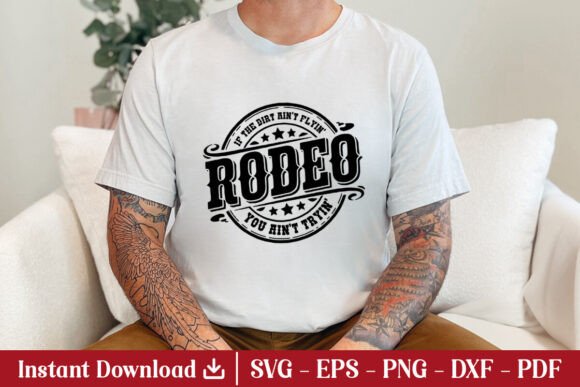
The title itself sets a rugged, authentic tone. For an audience that loves western wear, rodeo culture, or rural aesthetics, this design immediately signals authenticity. The visual personality of If the Dirt Ain t Flyin Rodeo Cowboy suggests a bold, straightforward statement piece rather than a delicate, intricate motif. It feels like a design meant to be seen from a distance, making it ideal for larger garment placements.
What strikes me first is the layout potential. The phrase lends itself well to arched text over a central graphic, a classic combination in sweatshirt embroidery. However, because this is primarily a graphic-based file provided in formats like SVG, DXF, PNG, EPS, and PDF, its primary strength lies in its versatility. It is not just an embroidery file; it is a versatile digital product that can serve multiple purposes in a creative entrepreneur’s workflow.
Real-World Application: The Custom Tote Scenario
To truly test a design, you have to imagine it in use. Let’s say I am preparing a batch of custom embroidered tote bags for a local craft fair. These are high-volume items where customers want something durable and stylish. I pull up If the Dirt Ain t Flyin Rodeo Cowboy to see how it would look centered on a heavy canvas bag.
In this scenario, the design acts as a strong focal point. Because the source files include a transparent background PNG and vector formats (SVG/EPS), I can easily scale the graphic to fit the tote without losing resolution. If I were to digitize this into a stitch pattern, the bold lines would likely hold up well against the textured weave of canvas. It transforms a simple utility item into a handmade product with character. Buyers at a market are more likely to pick up a tote with a witty, relatable slogan like this than one with generic clip art. It adds value to the finished product, making it feel like a curated boutique item rather than mass-produced merchandise.
Performance Across Different Mediums
The inclusion of multiple file formats in the ZIP folder makes If the Dirt Ain t Flyin Rodeo Cowboy exceptionally useful for Etsy sellers and small shop owners. Here is how it performs across different mediums:
- Apparel Decorators: The SVG and DXF files allow for precise cutting if used with a vinyl plotter, or they can serve as a template for hand-digitizing a unique stitch density pattern. This is crucial for ensuring the design looks professional on thick fabrics like denim or fleece.
- Digital Product Sellers: Since the package includes PNG and PDF files, this is a ready-made asset for creating printable mockups. You can place the design onto photos of hats, aprons, or pillows to sell digital templates or plan your inventory before buying physical stock.
- Personalized Gifts: The clear, legible nature of the text makes it perfect for personalized gifts. Imagine this embroidered on a baby onesie for a future cowboy enthusiast, or on a kitchen towel for a dad who loves grilling. The humor translates well to these intimate, everyday items.
Versatility in Stitch Types
While the file itself is a graphic, thinking about how it might be rendered in thread is key. A skilled digitizer could interpret the text using a clean satin stitch for sharp edges, while the graphical elements could utilize a fill stitch for texture. Alternatively, a simpler running stitch outline could give it a rustic, hand-stitched look that appeals to hobbyists. The design’s simplicity allows for various interpretations, which increases its longevity in a design library.
Where to Use It Carefully
No design is universally perfect, and If the Dirt Ain t Flyin Rodeo Cowboy has specific constraints that every designer must respect. Because it relies on clear text and distinct shapes, it requires careful placement.
Avoid using this design on small hoop sizes where detail gets lost. Tiny lettering becomes illegible when stitched closely together, especially if the thread colors do not contrast sharply enough against the fabric. Similarly, textured fabrics like bouclé wool or heavy corduroy can obscure the fine details of the graphic, turning a crisp design into a muddy blob. Thin or stretchy fabrics also pose a risk; without proper stabilization, the tension required to stitch the text may pucker the material, ruining the handmade presentation.
Curved surfaces, such as baseball caps or fitted sweatshirts, require significant distortion correction during digitization. If the original graphic is flat, simply stretching it to fit a curve will make the text look warped and unprofessional. Always inspect the design in a black-and-white mockup to ensure the contrast holds up before committing to expensive thread.
Impact on Brand and Customer Trust
For commercial embroidery businesses, consistency is everything. Using a design like If the Dirt Ain t Flyin Rodeo Cowboy helps build brand recognition if it aligns with your niche. It signals that you understand your customer’s lifestyle. When a buyer sees a well-executed version of this design, it builds trust in your craftsmanship. They assume that if you can render this graphic clearly, you can handle their complex requests too.
Furthermore, the giftability of such a design is high. It is lighthearted yet rugged, appealing to a broad demographic. Whether it ends up on an embroidered patch for a backpack or a pillow cover for a man cave, it sparks conversation. This social element is valuable for craft business growth, as customers often share their purchases on social media, providing free marketing for your shop.
Practical Designer Notes for Implementation
Before you rush to print or stitch this design, keep these practical tips in mind to ensure success:
- Test on Scrap Fabric: Never run a new design directly onto your final product. Test the scaling and placement on scraps of the actual fabric you intend to use.
- Check Thread Contrast: Ensure the chosen thread colors pop against the background. Dark threads on dark fabric will disappear, killing the impact of the slogan.
- Review Stitch Density: If you are digitizing this yourself, avoid overly dense fills that can make the fabric stiff. A lighter touch often yields a more premium feel.
- Confirm Licensing: As a designer, I cannot stress this enough. Verify the license terms included with the ZIP folder. Are you allowed to sell finished items? Can you resell the digital files? Clear licensing protects your creative entrepreneur business from legal issues.
- Use Proper Stabilizer: To prevent puckering, especially with the text elements, use a cut-away stabilizer for knits or a tear-away for wovens, depending on the fabric weight.
In conclusion, If the Dirt Ain t Flyin Rodeo Cowboy is a solid addition to any digital embroidery file collection. It offers flexibility across multiple formats, appeals to a dedicated niche market, and provides excellent opportunities for both personal crafting and commercial sales. By respecting its limitations regarding fabric choice and hoop size, designers can create stunning finished products that resonate with customers and stand out in a crowded marketplace.