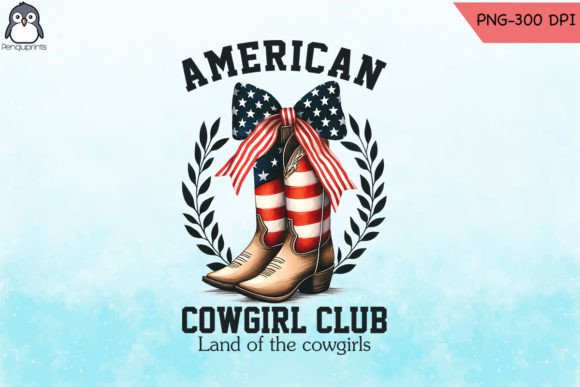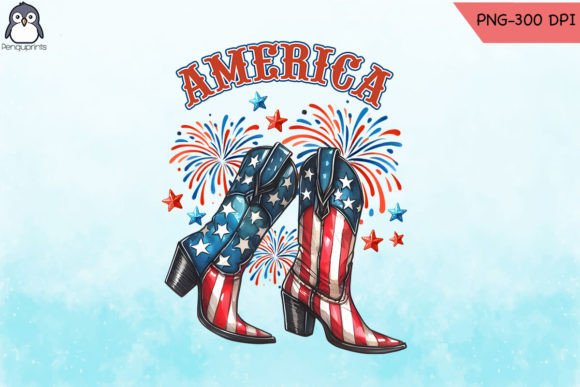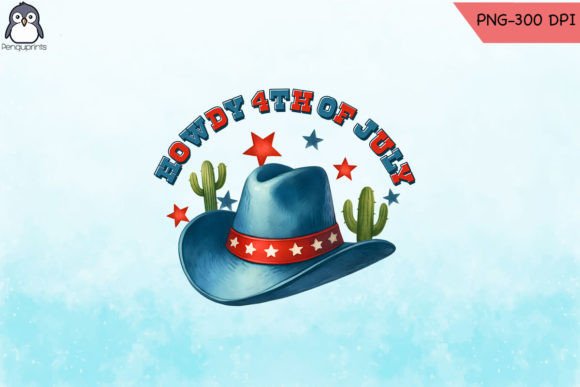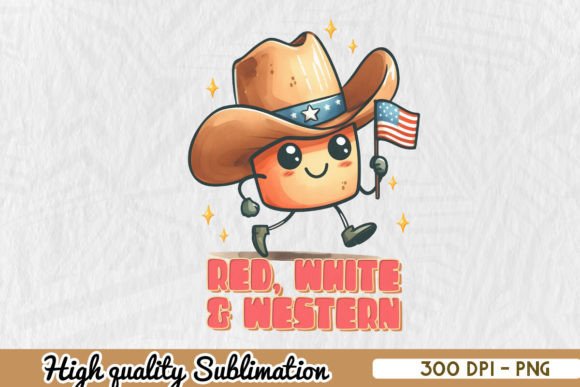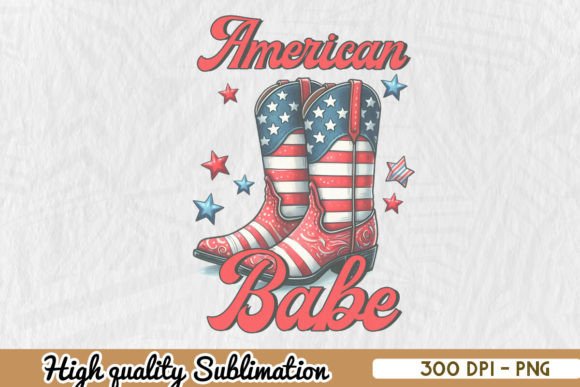
Western American Babe 4th of July PNG
As a designer who spends more time staring at stitch density charts and fabric swatches than scrolling through social media, I approach every new graphic with a healthy dose of skepticism. The digital asset market is flooded with generic clip art, so finding something that actually translates well into physical form—whether it’s embroidery, sublimation, or vinyl—is rare. That is exactly why I decided to put the Western American Babe 4th of July PNG through its paces. This isn’t just about looking pretty on a screen; it is about how this design holds up when it becomes a tangible handmade product for a customer.
I recently had a specific use case in mind: a limited-run collection of personalized gifts for a local boutique’s summer sale. The goal was to create items that felt festive but not cheesy, patriotic but not overly aggressive. I wanted to see if this embroidery project could bridge the gap between a cute novelty item and a premium gift. Here is my honest breakdown of how this design performs in the real world of crafting and small business operations.
First Impressions and Visual Personality
When you first load the file, the immediate takeaway is the clear thematic direction. The "Western American" aesthetic has been trending heavily in the craft space, particularly for those looking to move away from traditional red, white, and blue stars-and-stripes motifs. This design leans into that cozy, rustic vibe while still hitting the necessary notes for holiday embroidery.
The layout feels balanced. It doesn’t scream for attention with chaotic elements; instead, it offers a clean, recognizable silhouette that works well for branding. For an Etsy seller or a small shop product owner, this visual clarity is crucial. Customers scroll quickly, and a design that communicates its theme instantly—without requiring them to squint at tiny details—converts better. The mood is fun, approachable, and slightly nostalgic, which makes it perfect for gifting. It feels like something you would genuinely wear to a backyard barbecue or hand to a friend as a thoughtful gesture.
Real-World Application: The Tote Bag Test
To truly judge this design assets quality, I moved beyond the screen and imagined (and simulated) its application on various substrates. My primary test case was a canvas tote bag. Why? Because totes are a staple in the craft business, but they are also unforgiving. The fabric texture can distort fine lines, and the weight of the bag means the design will be handled frequently.
If printed as a transfer or used as a guide for appliqué, the bold shapes of the Western American Babe theme hold their own against the heavy weave of canvas. It creates a striking contrast that elevates a basic accessory into a custom apparel statement piece. However, if you are planning to embroider this directly, you need to be mindful of the thread colors. On natural or off-white canvas, lighter threads might get lost, whereas on a black or navy tote, the design pops with high definition. This versatility makes it a strong contender for commercial embroidery projects where color consistency matters.
I also considered its potential for sweatshirt embroidery. The autumn-to-summer transition period sees a huge spike in demand for comfortable, themed loungewear. This design fits perfectly on the chest area of a crewneck sweatshirt. It adds personality without overwhelming the garment. For a personalized gift, adding a name below the graphic using a complementary script font could turn this into a high-value item. It transforms from a simple graphic into a bespoke keepsake.
Technical Considerations for Embroidery Designers
While the visual appeal is strong, we must talk about execution. Not all graphics are created equal when it comes to digitizing or printing. If you are treating this as an applique design, the clean edges make it relatively straightforward to cut and fuse. But if you are converting this into a machine embroidery file, you need to pay close attention to the stitch density.
Dense fill stitches can cause puckering, especially on thinner fabrics like t-shirts or baby clothes. Before committing to a full production run, always test the design on scrap fabric first. Check how the stabilizer interacts with your base material. If the design includes intricate details, such as facial features or small text, ensure that these elements are large enough to be stitched clearly. Tiny details often disappear in machine embroidery design, turning into muddy blobs rather than crisp lines.
Another critical factor is the hoop size. Ensure that the dimensions of the Western American Babe 4th of July PNG fit comfortably within your standard hoop sizes. If the design is too wide, you may encounter stitching errors or distortion at the edges. For curved surfaces like caps or hats, the flat nature of the PNG needs to be adapted carefully. You might need to adjust the curve of the design in your digitizing software to ensure it lays flat against the crown of the hat.
Fabric and Color Contrast
The success of any embroidered or printed piece relies heavily on contrast. Dark fabric requires light, vibrant threads or prints to stand out. Conversely, light fabrics can handle darker tones but may show the texture of the backing stabilizer if not applied correctly. When reviewing this design, I recommend testing it in black and white mockups. This strips away the color distraction and allows you to evaluate the composition and balance of the shapes. If the design looks good in grayscale, it will likely look great in color.
Also, consider the fabric texture. A smooth cotton poplin will render the design differently than a textured linen or a fuzzy fleece. On rougher textures, fine details may be obscured, so this design is best suited for smoother fabrics where the lines can remain sharp and defined.
Where to Use It (And Where to Be Careful)
This design is incredibly versatile, but it is not a one-size-fits-all solution. It excels on larger surface areas like tote bag design panels, pillow covers, and kitchen towels. These items allow the graphic to breathe and be appreciated fully. It is also excellent for baby embroidery on burp cloths or bibs, provided the details are simplified and the colors are soft yet visible.
However, caution is advised for very small applications. Trying to fit this entire graphic onto a tiny embroidered patch or the cuff of a sock may result in a loss of detail. Similarly, avoid placing dense stitch areas over seams or curved hems, as this can lead to puckering and an unprofessional finish. If you are designing for products that need frequent washing, such as aprons or tea towels, ensure that your stitching or printing method is durable. Loose threads or low-quality transfers can degrade quickly, hurting your brand reputation.
Final Verdict for Makers and Sellers
The Western American Babe 4th of July PNG is a solid addition to any crafter’s library. It captures the spirit of the holiday with a modern, western twist that resonates with current trends. Its clean layout and thematic clarity make it easy to integrate into various embroidery project types, from personal gifts to commercial merchandise.
For the Etsy seller or digital product seller, this design offers high perceived value. It allows you to create unique listings that stand out in a crowded marketplace. Whether you are selling the digital file itself or finished handmade products, the design provides a reliable foundation for creativity. Just remember to do your due diligence: check the licensing terms, test your materials, and always prioritize quality control. When executed well, this design can help you build trust with customers and establish a professional, cohesive brand identity. It is a practical, stylish choice for anyone looking to add a touch of western charm to their 4th of July offerings.