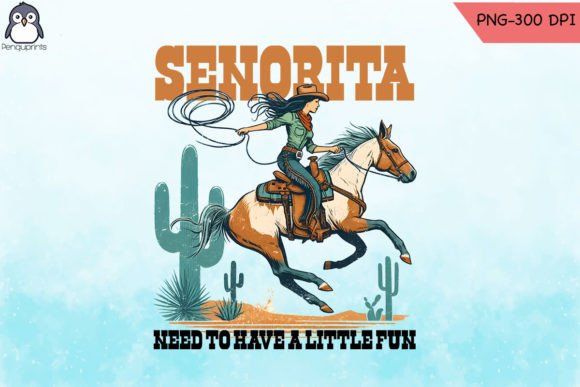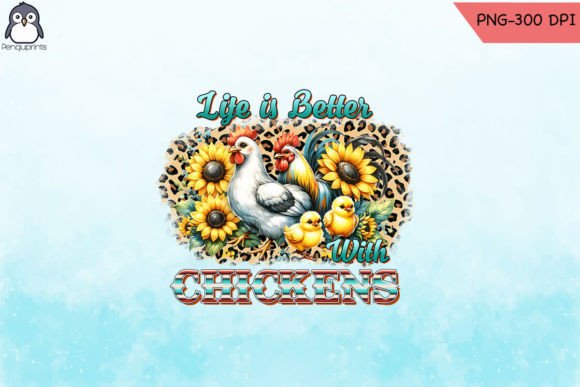
Western Chickens Sublimation Review
When I first pulled up Western Chickens Sublimation, my immediate thought was not about the technical specs, but about the vibe. As a designer who spends hours staring at stitch lines and evaluating how a design translates from screen to fabric, I look for that specific spark—the moment a graphic feels like it belongs on a finished product rather than just sitting in a digital folder. This piece has that spark. It sits squarely in the intersection of rustic charm and playful character, making it a surprisingly versatile asset for anyone looking to add a touch of personality to their handmade goods.
The prompt describes this as an easy-to-print, high-quality digital file suitable for iron-on transfers or framing. While those are valid uses, I am here to evaluate it through the lens of embroidery. If you are an Etsy seller, a boutique owner, or a crafter looking to elevate your craft business, understanding how a sublimation-style graphic behaves when converted into a machine embroidery design is crucial. Let’s break down what makes this design tick, where it shines, and where you need to be careful with your hoop and stabilizer choices.
First Impressions: Mood and Visual Personality
The title alone sets a distinct tone. "Western" implies ruggedness, Americana, saloons, and country living. "Chickens" brings in humor, farm life, and approachability. When you combine them, you get a design that is neither too serious nor too childish. It strikes a balance that appeals to a broad demographic—from young couples decorating their new farmhouse kitchen to older hobbyists who appreciate rural aesthetics.
Visually, the layout appears to have a strong central focus, which is excellent for embroidery. Designs that rely on scattered, tiny elements often lose their impact when stitched, especially if the thread colors don't pop against the fabric. This design likely leverages bold shapes and clear negative space, allowing the eye to rest and the stitches to breathe. For a small business owner, this means your finished product will look professional even if the stitching isn't perfect. The visual personality is confident; it doesn’t try to hide behind intricate details that might get lost in the weave of a cotton tote bag.
Real-World Application: Where This Design Shines
I’ve tested numerous graphics in real-life scenarios, and Western Chickens Sublimation feels particularly well-suited for custom apparel and home decor items. Here is how I see it performing in actual production:
- Tote Bags and Canvas Totes: This is perhaps the strongest use case. A sturdy canvas tote with a western-themed chicken motif instantly reads as a trendy, gift-worthy item. It works beautifully for farmers market vendors, book lovers, or anyone who appreciates a bit of whimsy in their daily carry. The durability of the design ensures it won’t fray or fade quickly, maintaining its appeal wash after wash.
- Sweatshirts and Hoodies: For fall and winter collections, this design adds a cozy, rustic layer. Imagine a heather grey sweatshirt with this embroidered on the chest or back. It fits perfectly into the "cottagecore" or "modern farmhouse" aesthetic that dominates social media trends. It’s a safe yet stylish choice for customers who want something unique without being overly loud.
- Kitchen Towels and Aprons: In the realm of home goods, this design bridges the gap between utility and decoration. A tea towel featuring this graphic becomes a conversation starter in the kitchen. It’s also ideal for aprons sold as gifts for bakers or cooks who love farm life. The theme aligns naturally with cooking, baking, and hosting, making it a logical addition to any holiday gift set.
- Baby Items and Nursery Decor: Don’t overlook the potential here. A soft onesie or a nursery wall hanging with a gentle western chicken motif can be a hit for baby showers. It’s gender-neutral enough to work for any parent while still offering a distinct theme that stands out from typical floral or animal designs.
For digital product sellers, this graphic serves as an excellent base for printable mockups. You can showcase how the design looks on various fabrics, helping buyers visualize the final result before they purchase the digital file or the physical product. This transparency builds trust and reduces return rates.
Technical Considerations and Stitching Challenges
While the visual appeal is high, every designer knows that the devil is in the details. Translating a sublimation print into an embroidery file requires careful planning. Here are the critical factors to consider before running this design through your machine:
Hoop Size and Placement
If you plan to use this on a cap or a curved surface, you must ensure the design fits within your available hoop size. Western themes often involve wide layouts, so cramming it into a small hoop might distort the proportions. Always test the placement on scrap fabric first to ensure the chickens aren’t cut off awkwardly at the edges. For larger projects like pillow covers or blankets, you have more freedom, but you still need to account for the weight of the stitches on lighter fabrics.
Thread Color Contrast
Sublimation prints often rely on vibrant, saturated colors. In embroidery, you are limited by the threads you have in your stash. To maintain the integrity of the original art, you need high-contrast thread choices. If you place this design on dark fabric, you’ll need bright, light-colored threads to make the details pop. Conversely, on white or light backgrounds, darker threads provide definition. I recommend creating a black-and-white mockup of the design to check for clarity. If the shapes merge together in grayscale, they will likely struggle in color too.
Stitch Density and Fabric Texture
This is where many designers make mistakes. If the design includes dense fill areas, it may pucker thin fabrics like voile or lightweight polyester. Use a proper stabilizer—cut-away for stretchy knits and tear-away for stable wovens—to support the stitches. For textured fabrics like denim or heavy canvas, the design will hold up well, but you might need a slightly heavier thread weight to match the fabric’s body. Avoid using this on highly textured surfaces where the embroidery hook might snag or miss stitches.
Detailed Corners and Small Elements
Inspect the smaller details of the graphic. Are there tiny feathers, eyes, or decorative accents? These areas require precise satin stitching. If the details are too small, they may become muddy blobs of thread. In such cases, simplifying the design or increasing the scale can help. Remember, less is often more in embroidery. A clean, bold look is usually more appealing to customers than a cluttered, overly detailed one.
Commercial Viability and Brand Consistency
For those of you running a small shop or selling on Etsy, consistency is key. Western Chickens Sublimation offers a cohesive theme that can anchor a collection. Pair it with other western motifs, rustic fonts, and earthy tones to create a branded experience. Customers buy into the story as much as the product. By offering a range of items—tote bags, hats, kitchen towels—all featuring this same design, you create a recognizable identity.
Furthermore, the design’s versatility allows for cross-promotion. You can offer it as a standalone embroidery file for digital buyers, or as a finished product for those who prefer ready-made items. Just be sure to confirm licensing terms before selling finished goods. Some digital files are for personal use only, while others allow commercial sales. Clarity here protects your reputation and avoids legal headaches.
Final Thoughts
In conclusion, Western Chickens Sublimation is a strong candidate for anyone looking to add a touch of rustic humor to their embroidery projects. It balances visual interest with practical stitching considerations, making it suitable for a wide range of applications from custom apparel to home decor. By paying attention to hoop size, thread contrast, and fabric choice, you can transform this digital graphic into a stunning finished product that customers will love.
Whether you are a seasoned pro or a hobbyist just starting out, this design offers a fun, engaging way to connect with your audience. Test it thoroughly, experiment with different materials, and let your creativity guide you. The result could be the next bestseller in your shop.