Western Cowboy Cowgirl Boots Metal Art Review
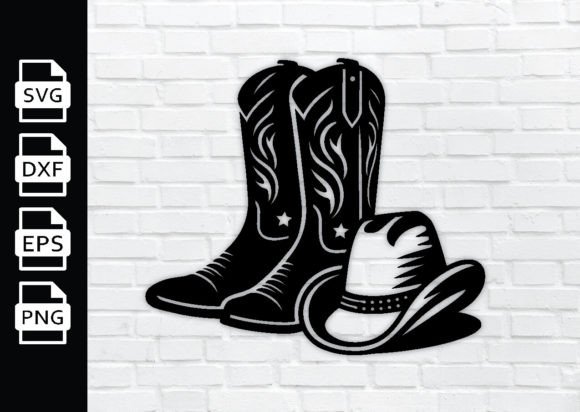
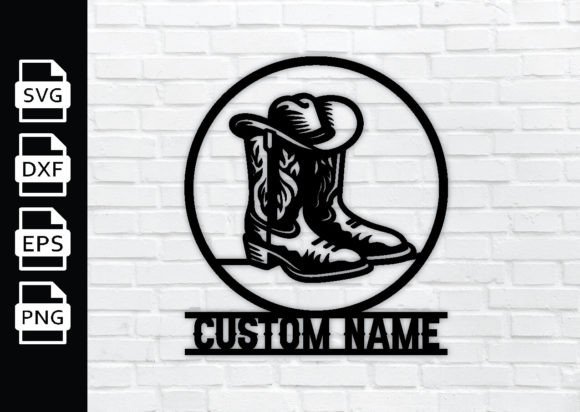
When I first pulled up the file for Western Cowboy Cowgirl Boots Metal Art, my immediate thought wasn’t about the technical specs, but about the vibe. As a designer who spends half my day agonizing over stitch density and the other half trying to figure out why a client’s logo looks muddy on black fabric, I look for designs that have personality. This piece delivers exactly that. It captures that rugged, metallic aesthetic that has become so popular in modern Western decor, translating it into a format that begs to be stitched.
The concept is straightforward: stylized cowboy boots with a metal-cut silhouette. But execution is everything. In the world of machine embroidery design, "metal art" can sometimes translate poorly into thread, resulting in cluttered fill stitches or lost details. However, this design seems to lean into clean lines and bold shapes, which is a smart move for an embroidery file intended for real-world application. It feels less like a complex illustration and more like a statement graphic, which is often what sells best in today’s market.
First Impressions and Visual Personality
The mood of this design is undeniably cool and contemporary. It bridges the gap between traditional Western wear and modern industrial chic. The "metal" aspect suggests sharp edges and perhaps a monochromatic or limited color palette, which works beautifully for applique design or high-contrast satin stitching. When you look at the layout, it doesn’t scream "vintage saloon"; it whispers "boutique gift shop."
This visual personality makes it incredibly versatile. It isn’t just for folks who ride horses every weekend. It appeals to the urban crafter, the Etsy seller looking for trendy home decor items, and the small business owner branding their merchandise. The design has a strong visual anchor, meaning it will read well even from a distance, which is crucial for products like tote bags or sweatshirts where the garment might be worn in a crowd.
Real-World Application: From Screen to Stitch
Let’s talk about how this would actually perform in a production run. Imagine you are preparing a custom embroidered tote bag for a local craft fair. You want something that stands out against the canvas but doesn’t require three hours of hoop time per unit. This design fits that niche perfectly. The bold outlines suggest that a heavy-weight thread could give it a textured, raised look, mimicking the metal aesthetic without needing complex shading.
I also see this working exceptionally well as an embroidered patch. Patches are a huge part of the craft business right now, especially for hats and denim jackets. If you stabilize this design correctly on a tear-away backing, the clean lines of the boots should hold up well to the friction of daily wear. For a sweatshirt embroidery project, placing this on the chest or center-back offers a great balance of visibility and subtlety. It’s not overwhelming; it’s a style statement.
Another scenario that comes to mind is personalized gifts. Think about a wedding gift for a couple who loves country music, or a baby shower gift for a family with a Western theme. A soft onesie featuring this baby embroidery motif could be a hit. The design is friendly enough for children but stylish enough for adults. It crosses demographic lines, which is rare and valuable for a digital product seller.
Where Caution Is Required
However, no design is perfect for every surface. There are specific situations where you need to exercise professional judgment. If you are planning to use this on a curved surface like a baseball cap, you need to be careful with the placement. The "metal" look relies on crisp edges, and stretching fabric over a curved form can distort those lines if the stabilizer isn’t chosen wisely. Always test on scrap fabric first to see how the material behaves under tension.
Similarly, avoid using this design on thin or stretchy fabrics without proper support. If the fill stitch density is high, lightweight jersey might pucker, ruining the sleek metal appearance. Dark fabrics can also be tricky. If the design relies on light threads to create contrast, ensure your thread colors are bright enough to pop. Sometimes, a dark background requires a lighter backing or a different thread weight to maintain clarity.
Also, consider the size. On a small hoop size, intricate details might get lost. If the design includes tiny text or fine decorative accents, scaling it down too much will result in a blurry mess. It’s better to let the design breathe. For products that need frequent washing, like aprons or kitchen towels, check the durability of the thread choice. Synthetic threads generally hold up better than cotton in high-wash environments, preserving the finished product quality over time.
Impact on Product Value and Branding
Using a design like Western Cowboy Cowgirl Boots Metal Art elevates the perceived value of your handmade products. Customers associate clean, well-executed embroidery with professionalism. When a buyer sees a crisp boot design on a premium leather wallet or a thick cotton towel, they trust the quality of the item. It signals that you care about the details.
For Etsy sellers and small shop owners, this kind of design asset is gold. It’s recognizable, thematic, and fits into multiple categories—from holiday embroidery (think Christmas stockings) to everyday custom apparel. It helps build brand consistency if you are creating a line of Western-themed goods. The "metal" aesthetic is timeless enough that it won’t feel dated in six months, giving your design assets a longer shelf life.
Practical Designer Notes for Success
To get the most out of this file, here are some practical steps I recommend before you start your production:
- Test on Scrap Fabric: Never go straight to the final product. Test the design on the exact fabric type you plan to sell. Check for puckering, thread breaks, and alignment.
- Check Thread Color Contrast: Run a mockup in black and white to ensure the design elements separate clearly. Then, choose thread colors that enhance the "metal" look—silvers, greys, blacks, or deep browns work well.
- Review Stitch Density: Look at the stitch density in your software. If it’s too dense for the fabric weight, adjust the settings or reduce the scale. Proper hoop size selection is also critical to keep the fabric taut.
- Inspect Small Details: Zoom in on the corners and any small decorative elements. Ensure they are large enough to be stitched accurately by your machine.
- Confirm Licensing: Before selling any commercial embroidery items or digital embroidery files, double-check the license terms. Make sure you are allowed to sell finished goods made from this design.
Ultimately, Western Cowboy Cowgirl Boots Metal Art is a solid addition to any designer’s library. It’s practical, stylish, and versatile. Whether you are making a one-off gift for a friend or producing a batch of tote bag designs for a boutique, this design provides a reliable foundation for a beautiful embroidery project. Just remember: good design starts with good preparation. Test, adjust, and then let your creativity shine.