Bee Kind PNG Leopard Pattern Western Png
As a designer who spends half my life staring at digitized files and the other half watching needle points pierce fabric, I have learned to be skeptical of anything that promises too much. When I first pulled up Bee Kind PNG Leopard Pattern Western Png, I didn’t immediately see an embroidery file. I saw a graphic asset with potential, but also significant hurdles for anyone trying to turn it into a stitched reality. This review is not about selling you a product; it is about telling you whether this design will survive contact with your embroidery machine and end up on a customer’s chest looking professional.
The First Impression: Visual Personality and Mood
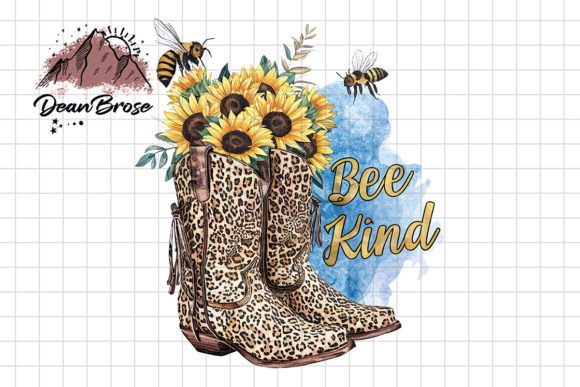
The moment you load this asset, the mood is unmistakable. It blends the rugged, edgy vibe of western aesthetics with the playful, unexpected twist of leopard print and a bee motif. The phrase "Bee Kind" adds a layer of irony or perhaps gentle humor that works well for modern handmade brands. Visually, the design feels confident. It does not try to be subtle. For a craft business owner, this kind of bold personality is valuable because it stops the scroll. Whether you are listing items on Etsy or setting up a booth at a craft fair, you need designs that communicate their theme instantly.
However, as a reviewer, I must point out that this is a Graphics category item, specifically a transparent background PNG file resolution 300 dpi can be resized to suit your need. This distinction is critical. It is not an embroidery file. It is not an SVG for cutting. If you are expecting a ready-to-stitch .dst or .pes file, you are in the wrong place. But if you are looking for a high-resolution reference image to trace, digitize, or use as a base for sublimation, this graphic has strong visual appeal. The layout suggests a central focal point, likely the bee and text, surrounded by the patterned elements. This makes it versatile for placement on custom apparel like t-shirts, sweatshirts, or tote bags.
Real-World Application: From Screen to Stitch
Let’s imagine a real scenario. You are preparing a batch of personalized gifts for a holiday market. You want to create a cozy, slightly quirky aesthetic. You decide to use Bee Kind PNG Leopard Pattern Western Png as the inspiration for a new line of embroidered patches or direct-to-garment prints. Because the source is a high-resolution PNG, you can scale it up without immediate pixelation issues, which is essential when planning for larger hoop sizes.
If you were to digitize this design yourself, how would it translate? The leopard pattern presents a unique challenge. In embroidery, complex patterns like animal prints are often simplified into fill stitches or appliqué shapes to maintain stitch clarity. If you attempt to replicate every spot with individual satin stitches, you risk creating a dense, heavy fabric that loses its drape. A smarter approach might be to use the PNG as a guide for an applique design, where the leopard print is created using a contrasting fabric backing, and the bee and text are stitched on top with clean satin stitch outlines.
This design would shine on tote bag design projects. The sturdy canvas of a tote can handle the visual weight of the western theme. It would also work well for sweatshirt embroidery, particularly on neutral-colored garments like cream, beige, or olive green, where the colors in the PNG can pop without clashing. For baby embroidery, however, I would proceed with caution. While the message is sweet, the leopard print might feel too aggressive for some parents’ tastes. It is better suited for older children or adult-oriented merchandise.
Technical Considerations and Potential Pitfalls
Not every design fits every surface. When evaluating Bee Kind PNG Leopard Pattern Western Png, you must consider where it should be used carefully. Small hoop sizes are a major constraint. If the design includes intricate details in the leopard spots or small lettering in the "Bee Kind" text, shrinking it down for a small hoop (like a 4x4 inch box) will result in muddy stitching. Threads will merge, and the distinct personality of the design will vanish.
Textured fabrics are another enemy of clarity. If you plan to embroider this onto a chunky knit sweater or a rough burlap sack, the fabric texture will compete with the design. The result will likely look messy rather than artistic. Thin or stretchy fabrics require proper stabilizer support. Without it, the tension from the stitch density required to cover the leopard pattern could pucker the material, ruining the finished product. Similarly, dark fabric can swallow up lighter thread colors. Always test thread color contrast against your actual garment before committing to a full production run.
Curved surfaces, such as caps or hats, present their own difficulties. While possible, maintaining the integrity of the leopard pattern around a curve requires advanced digitizing skills. If the design is flat and rectangular, warping it over a cap brim may distort the text or the bee shape. For beginners, it is safer to stick to flat surfaces like pillow covers, aprons, or kitchen towels.
Impact on Brand and Customer Trust
In the world of Etsy seller businesses and small shop product creation, presentation is everything. Using a high-quality reference like this PNG allows you to create stunning printable mockup images for your listings. Even if the final product is sublimated or printed, showing customers a crisp, detailed preview builds trust. It signals that you pay attention to detail.
Furthermore, this design supports commercial embroidery opportunities. The western theme combined with a positive message appeals to a broad demographic. It is gift-worthy, recognizable, and fits well within current trends that mix rustic elements with modern typography. By using this design as a foundation, you can create a cohesive brand identity across multiple products, from digital product sellers offering printable art to physical goods like embroidered patch collections.
Practical Designer Notes for Success
Before you commit to any project involving this asset, follow these practical steps:
- Test on scrap fabric: Never go straight to the final garment. Stitch your digitized version on scraps to check for puckering, thread breaks, or density issues.
- Review stitch density: Ensure the design is not overly dense. Too many stitches per square inch can make the fabric stiff and uncomfortable.
- Confirm hoop size: Make sure the design dimensions fit comfortably within your machine’s maximum hoop size, leaving room for margin.
- Inspect small details: Zoom in on the digital file. Are the lines thick enough to be stitched clearly? If not, you may need to simplify the design during digitization.
- Check licensing: Since this is a commercial-use graphic, verify the license terms. Can you sell finished items made from it? Can you resell the digital file itself? Clarity here protects your craft business from legal issues.
- Use proper stabilizer: Match your stabilizer to your fabric type. Cut-away stabilizers are generally safer for woven fabrics and heavier designs.
In conclusion, Bee Kind PNG Leopard Pattern Western Png is a visually striking asset that offers great potential for creative entrepreneurs. It is not a plug-and-play embroidery solution, but rather a powerful starting point for designers willing to invest time in proper digitization and testing. When executed correctly, it can elevate your handmade product line, adding a touch of western flair and whimsical charm that resonates with buyers. Just remember: the quality of the final stitch depends entirely on the care you take in preparation.