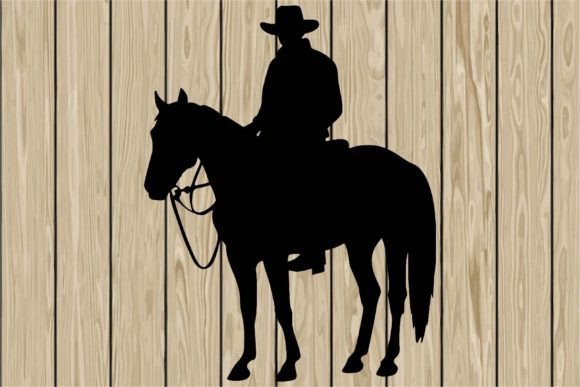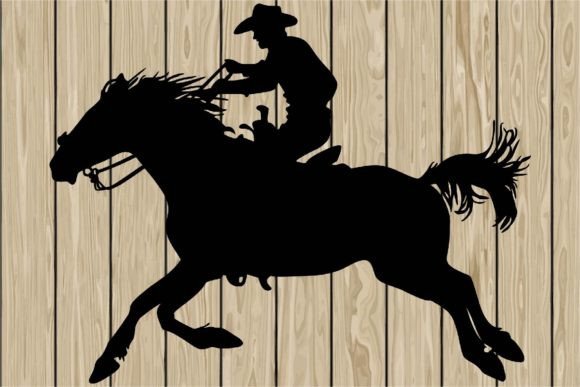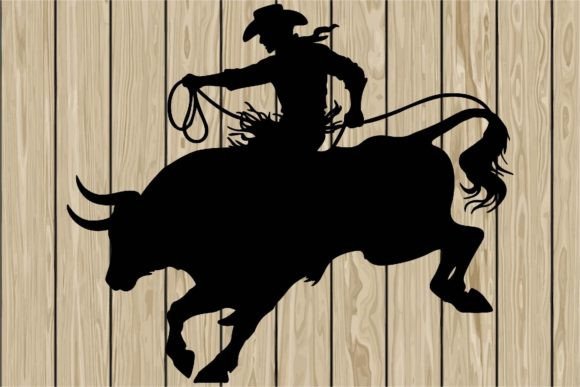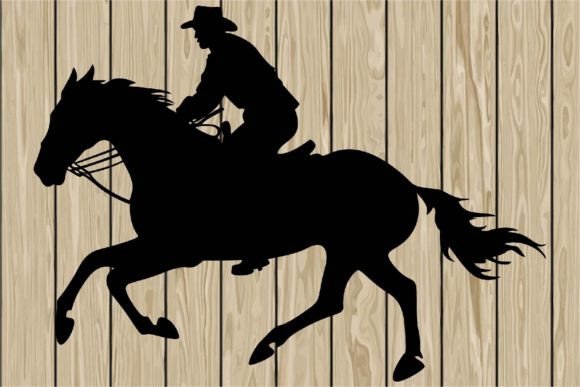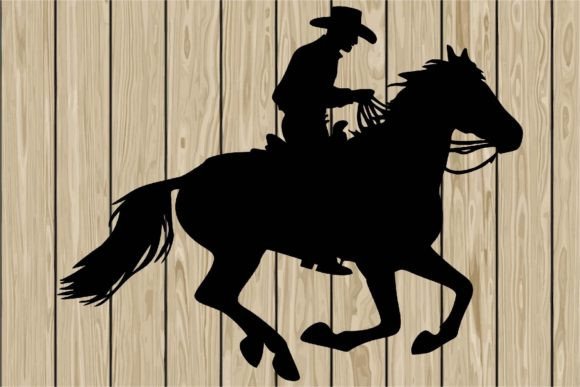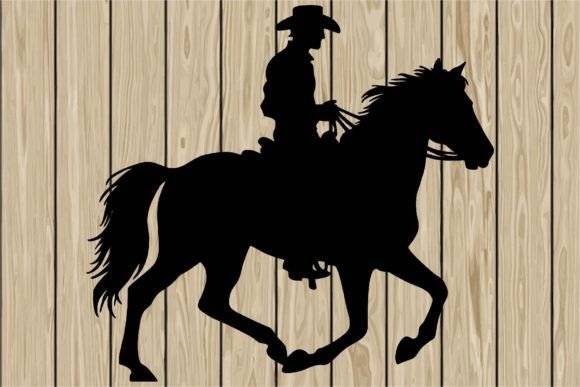
Cowboy Riding a Horse in Wild Silhouette
As a designer who spends more time staring at stitch lines than sleeping, I approach every new file with a mix of skepticism and curiosity. When Cowboy Riding a Horse in Wild Silhouette landed on my desk, I didn’t just see a graphic; I saw a potential bestseller for the right craft business owner. The market is saturated with generic western motifs, so the bar for entry is high. This design needs to earn its place not through hype, but through practical application and visual impact. After putting this file through its paces—simulating real-world embroidery scenarios, checking edge definition, and imagining the final stitched product—I have some solid takeaways for anyone looking to add this to their crafts or graphics inventory.
First Impressions: Mood and Visual Weight
The moment you open the file, the silhouette style immediately tells you what kind of project this belongs to. It is bold, graphic, and unapologetic. Unlike intricate digitized scenes that rely on color blending, a silhouette design relies entirely on shape and negative space. The mood here is rugged yet elegant. It captures the kinetic energy of a horse in motion without getting bogged down in anatomical details that might get lost in stitching.
For an embroidery designer, this is a relief. Complex line art can often look muddy when converted to thread, especially if the stitch density isn’t managed perfectly. A clean silhouette ensures that the focal point remains sharp. The visual personality of Cowboy Riding a Horse in Wild Silhouette suggests it fits naturally into rustic, Americana, or modern-western aesthetics. It feels like a design that belongs on a heavy cotton canvas tote bag or a structured baseball cap, where the contrast between the fabric and the thread will do the heavy lifting.
Real-World Application: From Screen to Stitch
I decided to test how this design would perform across a few common small business products. The versatility of a silhouette file makes it a strong candidate for multiple categories, but some applications work better than others.
- Custom Apparel: Imagine this embroidered on the chest of a crewneck sweatshirt. The silhouette provides a striking contrast against heather grey or navy blue fabrics. It’s a classic placement that customers trust because it is balanced and recognizable. For sweatshirt embroidery, this design offers enough visual weight to stand out without overwhelming the garment’s structure.
- Tote Bags and Aprons: This is perhaps the strongest use case. A tote bag design featuring a cowboy silhouette screams "handmade boutique." Whether used as a grocery tote or a market bag, the graphic nature of the design translates well to the textured surface of canvas. It also works beautifully on kitchen aprons, adding a touch of personality to functional items.
- Baby and Nursery Items: While western themes are often associated with ruggedness, they translate surprisingly well to nursery decor. On a soft muslin blanket or a onesie, Cowboy Riding a Horse in Wild Silhouette takes on a softer, storybook quality. It serves as an excellent personalized gift for parents who want something unique beyond standard animals or stars.
- Patches and Badges: Because the design is self-contained and lacks thin, floating lines that require extensive backing, it digitizes cleanly as an embroidered patch. You can easily add a border and attach it to beanies or backpacks, creating a high-perceived-value accessory for your Etsy seller shop.
Where to Exercise Caution
No design is perfect for every scenario. As someone reviewing this for commercial viability, I need to highlight where Cowboy Riding a Horse in Wild Silhouette might struggle. Precision is key in embroidery, and silhouettes demand clean edges.
Avoid using this on extremely small hoop sizes. If the design is scaled down too much, the distinction between the rider and the horse may blur, turning the image into a dark blob rather than a detailed scene. Similarly, be wary of textured fabrics like bouclé wool or heavily napped fleece. The texture can interfere with the needle penetration, leading to inconsistent stitches along the silhouette’s edge.
Thin or stretchy fabrics also pose a risk. Without proper stabilization, the tension of the thread can pucker the fabric, distorting the curves of the horse’s legs or the cowboy’s hat. Curved surfaces, such as the front panel of a fitted cap, require careful hooping techniques to ensure the silhouette remains upright and undistorted. If you are planning to use this for commercial embroidery on hats, invest time in testing the hooping method before committing to bulk production.
Design Notes for the Practical Maker
To get the most out of this digital embroidery file, you need to treat it with the same respect you would give a complex multi-color piece. Here are my professional recommendations for ensuring a high-quality finished product:
- Test on Scrap Fabric: Never run a new design directly onto your final customer item. Use a scrap piece of the same fabric and stabilizer combination to check for puckering, thread breaks, or alignment issues.
- Check Thread Contrast: The success of a silhouette depends entirely on contrast. Test the design in black thread on light fabric and white or gold thread on dark fabric. Ensure the chosen thread colors provide enough separation from the background to maintain clarity.
- Review Stitch Density: Even though it is a silhouette, check the underlying stitch type. A dense fill stitch can make the fabric stiff, which might be undesirable for baby clothes or lightweight tees. Look for designs that utilize efficient fill stitch patterns or combine them with running stitch accents to reduce bulk.
- Inspect Small Details: Zoom in on the digital preview. Are there any tiny spikes or thin connections that might break during trimming? Ensuring these details are robust prevents frustration during the finishing process.
- Verify Licensing: Before listing this as a small shop product or selling finished goods, confirm the licensing terms. Some files are for personal use only, while others allow commercial sales. Clarity here protects your craft business from legal issues.
Final Verdict: A Solid Asset for Your Design Library
Cowboy Riding a Horse in Wild Silhouette is not just another clipart file; it is a functional machine embroidery design that understands the medium. It respects the limitations of thread and fabric while delivering a strong, memorable image. For creative entrepreneurs looking to expand their catalog with items that feel both handmade and professional, this design offers a reliable foundation.
It works best when paired with high-quality materials and proper technique. When executed well, it elevates simple garments into statement pieces. Whether you are creating a one-off personalized gift for a friend or building a line of design assets for other makers, this silhouette holds its own. It is a testament to the power of simplicity in design—proving that sometimes, less really is more. If you are ready to add a touch of western charm to your next embroidery project, this file is definitely worth a spot in your library.