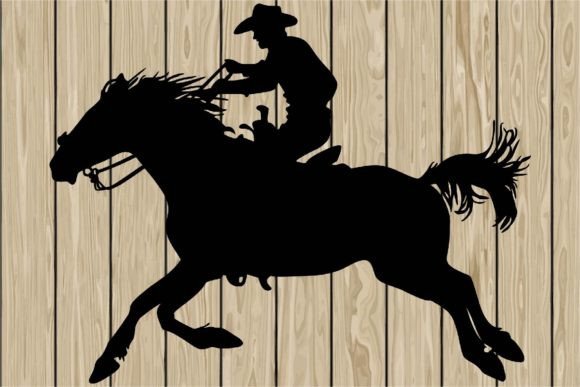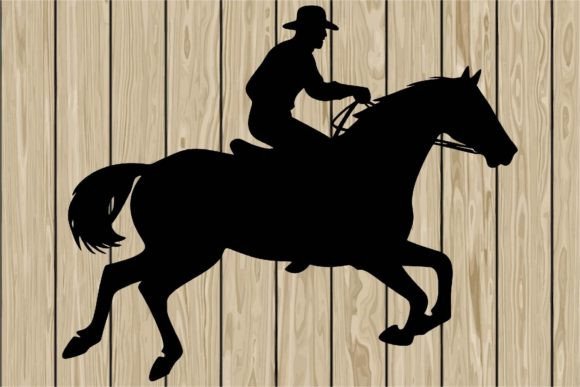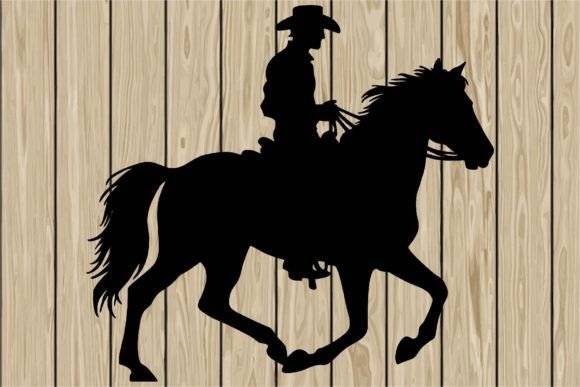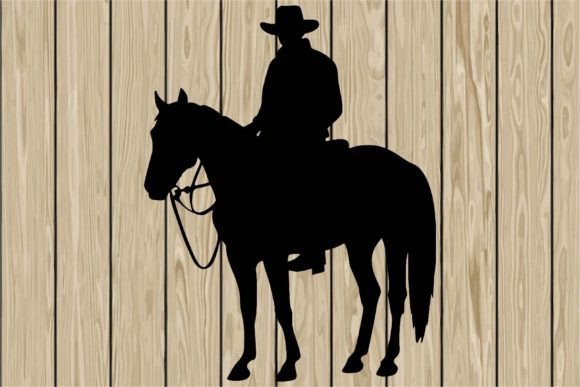
Cowboy Riding a Running Horse in Wild
When I sit down to evaluate a new digital asset for my embroidery studio, I am rarely looking at just a picture. I am visualizing the needle movement, the thread tension, and ultimately, how that design will look on a finished product sitting on a customer’s shelf or being worn by a client. Today, I am putting Cowboy Riding a Running Horse in Wild through its paces. This silhouette SVG file is marketed toward cutting machines like Silhouette Studio and Cricut Design Space, but as an embroidery designer, my interest lies in how this graphic translates when converted into stitches. Can it hold up? Does it have the visual weight to command attention without becoming a muddy mess of thread? Let’s dive into the practical realities of using this design.
The First Impression: Boldness Over Detail
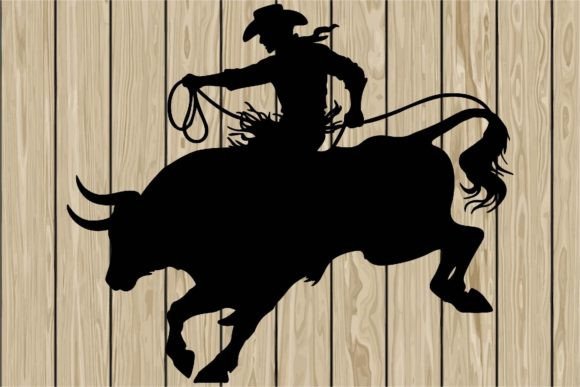
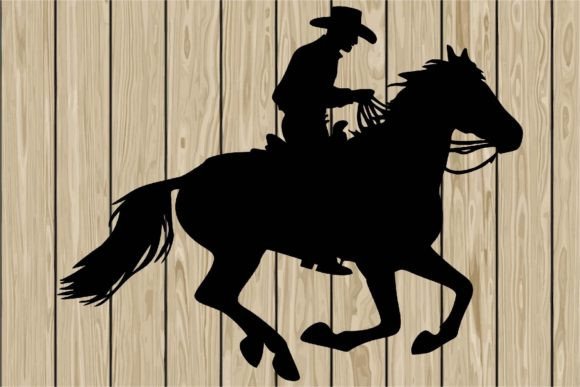
The immediate takeaway from Cowboy Riding a Running Horse in Wild is its reliance on strong, clean lines. It is a silhouette, which means it lacks internal shading or complex gradients. In the world of machine embroidery, this is often a blessing. Complex designs with tiny details can struggle with stability, especially on stretchy fabrics or curved surfaces. By keeping the aesthetic bold and graphic, this design promises clarity. The mood is rugged, adventurous, and timeless. It evokes the spirit of the open range without getting bogged down in anatomical precision. For a crafter or small business owner, this simplicity is key because it allows the texture of the fabric and the sheen of the thread to become part of the art itself, rather than competing with intricate digitized details.
Real-World Application: From Tote Bags to Boutique Apparel
I recently considered using Cowboy Riding a Running Horse in Wild for a custom order of personalized tote bags for a local craft fair. The goal was to create a handmade product that felt premium yet accessible. Because this is a silhouette, it lends itself beautifully to large-scale applications. On a canvas tote, a solid fill stitch or a dense satin border around the edge of the cowboy figure would pop against the natural beige of the bag. It creates a striking contrast that draws the eye immediately.
However, the versatility of this embroidery project extends beyond bags. Imagine this design embroidered on the front panel of a denim cap or centered on a heavy cotton sweatshirt. The dynamic pose of the running horse adds energy to what might otherwise be a static garment. For an Etsy seller or small shop product creator, this design offers a versatile template. It fits seamlessly into themes of western wear, rustic home decor, or even nursery decor if sized appropriately and paired with softer thread colors. It is not just a graphic; it is a design asset that can elevate a simple blank item into something with narrative depth.
Technical Considerations for Stitching Success
While the concept is sound, execution is everything. When working with a machine embroidery design derived from a silhouette, several technical factors come into play. First, you must consider the stitch density. A large solid area of fill stitch can become heavy and stiff, particularly if placed on thin or delicate fabrics. If you plan to use this on a lightweight tee shirt, you may need to reduce the size of the design or adjust the underlay stitches to prevent puckering.
Another critical aspect is the choice between different stitch types. While the prompt mentions it is an SVG ready for cutting machines, converting it to an embroidery file requires smart digitizing. You might opt for a combination of satin stitch for the outline to give it a crisp, defined edge, and fill stitch for the interior. Alternatively, using a running stitch pattern within the silhouette could add a modern, textured look that breaks up the solid mass of color. This decision impacts the final feel of the finished product.
Testing is non-negotiable. Before committing to a batch of custom apparel, always test the design on scrap fabric. Check how the thread colors interact with the fabric texture. A dark navy thread on black fabric might disappear, whereas a cream thread on black fabric will make the silhouette stand out sharply. Also, inspect the small details. Even in a silhouette, the separation between the cowboy’s hat brim and the horse’s neck needs to be clear enough to stitch without bridging threads together.
Navigating Fabric and Stabilizer Challenges
The location of the embroidery matters just as much as the design itself. Placing Cowboy Riding a Running Horse in Wild on a curved surface like a baseball cap requires careful hooping and likely a flexible stabilizer to accommodate the curve. On textured fabrics, such as fleece or boucle wool, the fine edges of the silhouette might get lost. In these cases, a contrasting background patch or a carefully selected thread color is essential to maintain visibility.
Furthermore, consider the durability of the embroidered patch or design. If the item is intended for frequent washing, such as workwear or children’s clothing, ensure that the stitching is dense enough to withstand abrasion. Loose areas or insufficient underlay can lead to fraying over time, which undermines customer trust in your brand. A well-executed commercial embroidery job should look as good after twenty washes as it did on day one.
Market Appeal and Brand Consistency
From a business perspective, Cowboy Riding a Running Horse in Wild taps into a perennially popular aesthetic. Western motifs are evergreen, appealing to a wide demographic. For a creative entrepreneur, this design provides a reliable option for seasonal collections. It works exceptionally well for holiday gifts, particularly during fall and winter when rustic themes are in high demand. It also has potential for wedding gifts, perhaps as a personalized gift for a couple who shares a love for ranch life or outdoor adventures.
The clean nature of the silhouette ensures brand consistency. Whether you are creating a series of matching aprons, kitchen towels, or pillow covers, this design can be scaled and recolored to fit a cohesive theme. It is professional enough for boutique branding yet approachable enough for hobbyist makers. When customers see a clean, well-stitched embroidery project, they perceive higher value. They associate the quality of the stitch work with the quality of the entire product.
Final Verdict for the Practical Maker
In conclusion, Cowboy Riding a Running Horse in Wild is a strong candidate for any maker looking to add a touch of western flair to their inventory. Its strength lies in its simplicity and boldness, making it forgiving for both beginners and experienced digitizers. However, success depends on proper preparation: choosing the right hoop size, selecting appropriate thread colors, and understanding the limitations of your chosen fabric.
Remember to check the licensing terms before selling finished items or digital products based on this design. Ensure you have the commercial rights if you intend to list this on Etsy or sell at craft fairs. By treating this graphics file with the respect due a professional embroidery file, you can transform a simple silhouette into a memorable, high-quality handmade product that resonates with buyers. It is a versatile, visually appealing addition to any designer’s toolkit, provided you pay attention to the details of the stitch and the fabric.