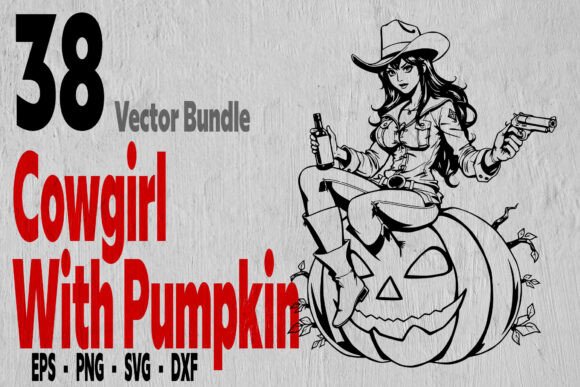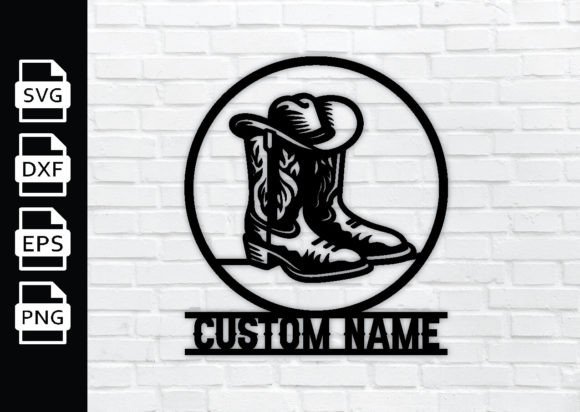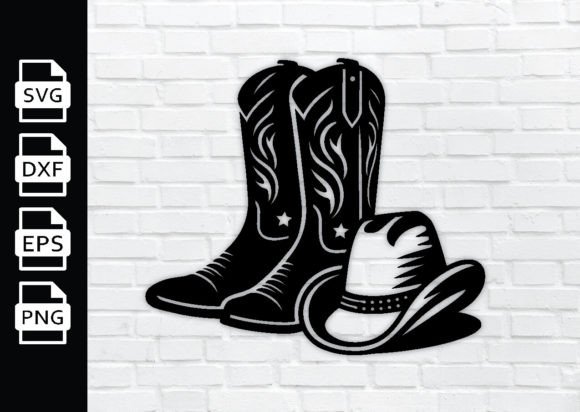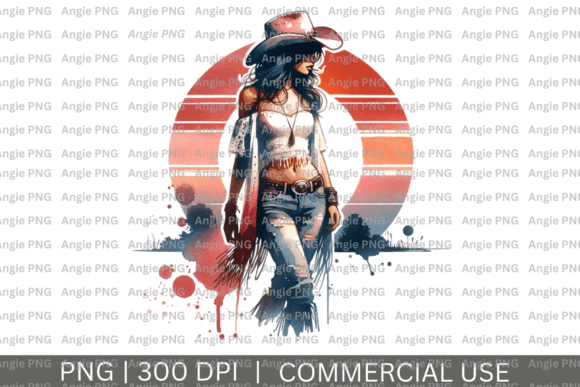
Cowgirl Wall Art Decor Dxf Review
When I first pulled up the Cowgirl Wall Art Decor Dxf file to evaluate it for a potential client project, my initial reaction was one of cautious optimism. As an embroidery designer who has spent years troubleshooting stitch errors and refining digitized artwork for commercial production, I know that not every graphic translates well into thread. This particular design falls under the broader categories of Crafts and Graphics, specifically targeting laser cut and CNC applications, but its utility extends significantly into the realm of machine embroidery if handled with care.
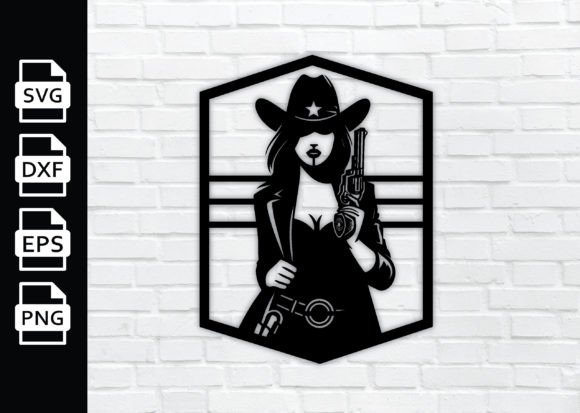
The core concept—a stylized cowgirl silhouette intended for wall art—is visually striking in its simplicity. However, translating a bold, high-contrast vector shape into a stitched product requires more than just hitting "start" on your machine. It demands a strategic approach to fabric selection, stabilizer choice, and finishing techniques. Below is my practical breakdown of how this design performs in real-world scenarios, what pitfalls to avoid, and why it might be a valuable addition to your digital asset library or small business inventory.
First Impressions and Visual Personality
The mood created by Cowgirl Wall Art Decor Dxf is undeniably rustic yet modern. The lines are clean, suggesting a contemporary take on western aesthetics rather than a traditional, ornate depiction. For designers looking to create custom apparel or home decor items, this visual personality works exceptionally well because it reads clearly even from a distance. In the world of handmade products, clarity is king; customers need to recognize the subject matter instantly.
What stands out most is the negative space utilization. Because this design originated as a laser cut pattern, it relies heavily on solid shapes rather than intricate internal detailing. This is actually a huge advantage for embroidery. Intricate details often get lost in dense stitching or blur together on textured fabrics. By keeping the design relatively open, the Cowgirl Wall Art Decor Dxf file ensures that the final finished product retains its graphic integrity. It feels like a handmade product that has been thoughtfully designed for durability and impact, making it suitable for everything from nursery decor to boutique branding.
Real-World Application: From Digital File to Physical Product
I recently considered using this design for a batch of personalized gifts for a holiday market. Specifically, I imagined applying it to heavy-duty canvas tote bags and thick cotton sweatshirts. Here is how I envision the process unfolding:
- Tote Bag Design: When placed on a natural jute or canvas bag, the contrast between the dark thread and the neutral fabric would make the cowgirl silhouette pop. This is a classic combination that appeals to the Etsy seller demographic looking for trendy, functional accessories.
- Sweatshirt Embroidery: On a heather grey or cream sweatshirt, the design offers a cozy, lifestyle-oriented vibe. It works particularly well as a chest-sized logo or a larger back print. The clean lines ensure that the embroidery doesn’t look cluttered against the knit texture of the garment.
- Embroidered Patch: Converting this vector into an applique design or a standalone patch is another strong use case. The solid shapes allow for easy cutting and edging, resulting in a professional-looking embroidered patch that can be ironed or sewn onto denim jackets, caps, or backpacks.
For small shop owners and creative entrepreneurs, the versatility of this design is key. It isn't limited to just one type of merchandise. You can adapt it for baby embroidery projects, such as muslin blankets or onesies, where the softer, simplified aesthetic fits perfectly. It also lends itself well to kitchen towel designs, adding a touch of farmhouse charm to home goods.
Where Caution Is Required
While the design is robust, there are specific scenarios where Cowgirl Wall Art Decor Dxf might present challenges. Understanding these limitations is crucial for maintaining high quality standards.
- Small Hoop Sizes: If you attempt to digitize or stitch this at a very small scale (under 3 inches), you risk losing definition. Tiny lettering or fine decorative accents within the design may become indistinguishable blobs of thread. Always test at your smallest intended size before committing to mass production.
- Textured and Stretchy Fabrics: Embroidering on highly textured fabrics like chunky knits or stretchy jersey can distort the geometry of the design. The hoop tension required to keep the fabric flat might cause puckering, especially if the design includes large areas of fill stitch. For these materials, a stable woven fabric or a properly stabilized knit is essential.
- Dense Stitch Areas: Although the design is largely open, any dense sections need adequate backing. Without the right stabilizer, the fabric can pucker around the stitches, ruining the professional look of the custom apparel. Always inspect the stitch density in your software to ensure it matches the fabric weight.
- Curved Surfaces:: Applying this to curved surfaces like baseball caps requires careful placement. The flat nature of the original wall art concept might look distorted if forced onto a curve without proper reshaping in the digitizing software.
Technical Considerations for the Designer
Before integrating Cowgirl Wall Art Decor Dxf into your workflow, there are several technical steps you must take. First, always test the design on scrap fabric that mimics the final material. This allows you to check thread colors for optimal contrast. A light thread on a dark background, or vice versa, will enhance the visibility of the cowgirl silhouette.
Reviewing the file in black and white mockups is another critical step. Sometimes color can mask poor line work or spacing issues. By viewing it in grayscale, you can assess the balance of positive and negative space more objectively. Additionally, confirm whether the file format you possess is optimized for your specific machine. While the description mentions laser cut capabilities, ensure that the digitized version (if applicable) uses appropriate satin stitch for edges and running stitch for finer details where needed.
Stabilizer selection cannot be overstated. For commercial embroidery projects that will undergo frequent washing, a tear-away or cut-away stabilizer should be chosen based on the fabric’s durability. A flimsy stabilizer might wash away too quickly, leaving the stitches unsupported. Conversely, a heavy-duty stabilizer might be overkill for lightweight aprons or pillow covers.
Final Verdict: Value and Viability
In conclusion, Cowgirl Wall Art Decor Dxf is a versatile and visually appealing asset for designers who understand the nuances of textile application. Its strength lies in its bold, clear imagery, which translates beautifully to a variety of handmade products. Whether you are creating personalized gifts for holidays, expanding your craft business offerings with new design assets, or simply experimenting with new styles, this design offers a solid foundation.
It is particularly well-suited for digital product sellers who want to offer ready-to-use files for other embroiderers, as well as physical product creators looking for reliable, high-impact graphics. The key to success is respecting the design’s origins while adapting it intelligently to the constraints of embroidery. By paying attention to hoop size, fabric texture, and stitch density, you can turn this simple graphic into a premium finished product that customers will love.
For those in the graphics and crafts industries, this file represents a bridge between digital precision and tactile creativity. It reminds us that good design isn't just about how something looks on a screen, but how it feels in the hands of the user. With careful execution, Cowgirl Wall Art Decor Dxf can elevate your brand consistency and buyer engagement, proving that even simple silhouettes can tell powerful stories through thread.