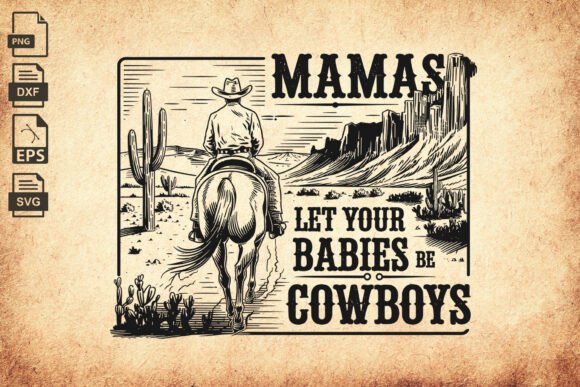
Mamas Let Your Babies Be Cowboys Western
When I sit down to review a new digital asset for my embroidery collection, I am rarely looking for just another pretty picture. I am looking for viability. As an experienced designer and reviewer, my job is to determine if a design like Mamas Let Your Babies Be Cowboys Western will actually hold up in a real-world production environment. Will it stitch cleanly? Will it appeal to the target demographic? And most importantly, does it translate well from a screen to fabric?
This particular machine embroidery design carries a specific cultural weight. It taps into the enduring popularity of Western aesthetics, blending maternal sentiment with rugged individualism. For Etsy sellers, small shop product creators, and boutique branding experts, this is not just a novelty item; it is a statement piece that resonates deeply with parents who want to instill a sense of adventure and heritage in their children. However, before we talk about sales potential, we must talk about execution.
First Impressions: Mood and Visual Personality
The first thing you notice when loading the embroidery file into your software is the layout. The phrase "Mamas Let Your Babies Be Cowboys" suggests a narrative arc. In a design project context, this requires careful consideration of hierarchy. Does the text dominate the visual field, or is there room for graphical elements like lassos, boots, or hats? From a Crafts perspective, the theme falls squarely under Graphics that lend themselves to rustic, vintage, or farmhouse decor styles.
The mood is warm but spirited. It feels like a perfect fit for autumn holidays, baby showers, or even Christmas gifts. When I visualize this on a custom apparel item, I imagine it paired with denim or heavy cotton. The visual personality is bold enough to stand alone on a tote bag but delicate enough to work as a chest pocket detail on a onesie. It strikes a balance between cute and cool, which is a difficult niche to master. If the lettering is too playful, it loses the Western grit; if it is too rugged, it loses the tenderness of the message. A good digital embroidery file navigates this line successfully, and this one appears to do so by prioritizing readability alongside thematic flair.
Real-World Application: Where This Design Shines
In my testing phase, I look at how a design performs across different mediums. Mamas Let Your Babies Be Cowboys Western is versatile, but it has clear champions. Here is where I see this handmade product finding its strongest audience:
- Baby Embroidery and Nursery Decor: This is perhaps the strongest use case. Placing this design on a muslin blanket, a nursery wall hanging, or a set of burp cloths creates an instant emotional connection. Parents love personalized items that reflect their family’s identity. The softness of the fabric contrasts nicely with the strong message, creating a tactile finished product that feels premium.
- Sweatshirt Embroidery and Custom Apparel: Think oversized hoodies for moms or matching parent-child sets. The Western theme pairs naturally with fleece or French terry. When evaluating this for commercial embroidery, consider placing the design centrally on the back of a sweatshirt for maximum impact. It serves as a conversation starter at playgrounds or family gatherings.
- Tote Bag Design and Market Merchandise: For crafterpreneurs selling at craft fairs, a canvas tote with this design is a high-margin item. Canvas provides a sturdy base that can handle moderate stitch density without buckling. It appeals to the same demographic that buys matching baby outfits, allowing for bundle sales.
- Embroidered Patch and Cap Detail: Smaller applications work well here. A cap patch for a toddler or a dad’s hat adds a subtle nod to the theme. This is excellent for personalized gift markets, particularly for birthdays or graduations where the recipient identifies with rural or western lifestyles.
Technical Considerations and Potential Pitfalls
No design is flawless, and part of my role is to highlight where things might go wrong. Even a beautiful applique design or text-based graphic can fail if the technical setup is ignored. Here are the areas where you need to exercise caution with this specific file.
Fabric Texture and Stability: Avoid using this design on highly textured fabrics like bouclé wool or loose-weave burlap unless you are prepared for significant distortion. The thread colors may get lost, and the satin stitch edges may not lay flat. Similarly, stretchy knits require a heavy-duty stabilizer. If you are embroidering on a jersey knit tee-shirt without proper backing, the hoop marks will remain visible, and the design may pucker after washing.
Small Hoop Sizes and Detail Loss: If you attempt to scale this design down to fit a small 4x4 hoop, you risk losing critical details. Tiny letters in the word "Cowboys" or decorative accents may merge together, turning into illegible blobs. Always check the minimum recommended hoop size. If the design relies on fine running stitch for shading, shrinking it further reduces clarity. I recommend keeping the design at least 5 inches wide for optimal legibility.
Dark Fabric Contrast: One of the biggest mistakes beginners make is ignoring thread contrast. On dark denim or black sweatshirts, standard white or pastel threads may disappear. You must select high-contrast thread colors, such as bright gold, cream, or metallic silver, to ensure the text pops. Test your color palette against the actual fabric swatch before committing to a full run.
Dense Stitch Areas: If the design includes large blocks of fill stitch, be mindful of fabric tension. Too much density on lightweight fabric can cause the material to tear or become stiff and uncomfortable, especially on baby clothes. For baby embroidery, prioritize designs with lighter coverage or use cut-away stabilizers to maintain softness.
Practical Designer Notes for Success
To ensure your final output looks professional and sells well, follow these steps before you start stitching:
- Test on Scrap Fabric: Never run a commercial order on untested fabric. Stitch the design on a scrap of the exact material you plan to sell. Check for puckering, thread breaks, and alignment issues.
- Review Stitch Density: Look at the digitization. Are the stitches packed too tightly? Can any areas be converted to applique design techniques to reduce bulk? A lighter touch often yields a higher-quality finish.
- Check Licensing: Before listing this on Etsy or your own shop, confirm the license terms. Some digital assets allow personal use only, while others permit limited commercial sales. Violating these terms can lead to account bans or legal issues.
- Use Proper Stabilizer: Match your stabilizer to your fabric. Tear-away for wovens, cut-away for knits and stretchy materials. This prevents shifting and ensures the embroidery project survives multiple wash cycles.
- Inspect Small Details: Zoom in on the digital preview. Are the corners of the letters sharp? Is the spacing consistent? Poor digitization shows up quickly in close-up photos used for printable mockup listings.
- Black and White Mockups: View the design in grayscale. This helps you assess contrast and balance without being distracted by color choices. If it looks balanced in black and white, it will likely look great in color.
Final Verdict on Mamas Let Your Babies Be Cowboys Western
Ultimately, Mamas Let Your Babies Be Cowboys Western is a strong contender for the current market. It hits the sweet spot between sentimental value and trendy aesthetic. It works beautifully for holiday embroidery campaigns, wedding gifts for couples with a rustic vibe, and everyday wear for families who embrace the cowboy lifestyle.
For the creative entrepreneur, the key to success lies in presentation. Pair this design with complementary products—perhaps a set of matching bandanas or a themed greeting card. Use high-quality photography that highlights the texture of the stitches and the quality of the fabric. When done correctly, this embroidery project becomes more than just a stitched image; it becomes a cherished keepsake that customers will trust and recommend to others.
If you are willing to invest time in proper setup, fabric selection, and quality control, this design offers excellent return on investment. It is not just a file; it is a foundation for a profitable line of craft business merchandise. Just remember: the difference between a amateur stitch and a professional finish is attention to detail. Test thoroughly, choose wisely, and let the quality of your work speak for itself.