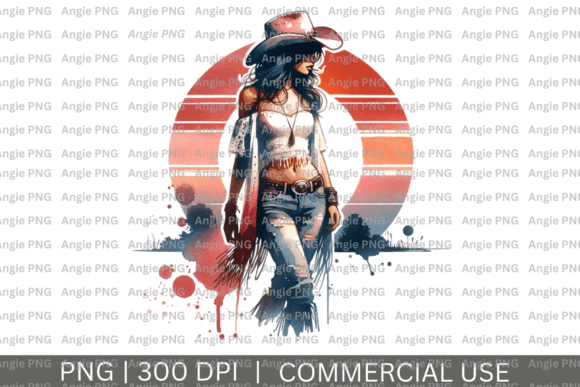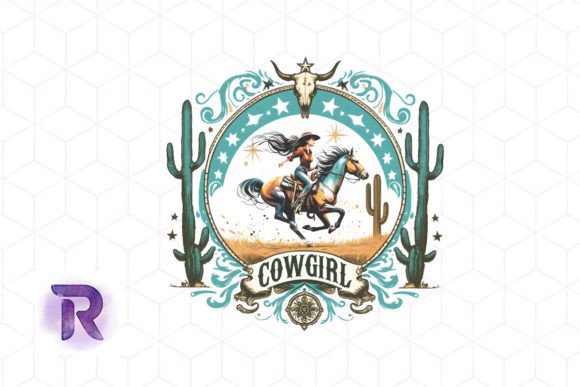
Western Cowgirl Sublimation Design PNG
As a designer who spends half my life staring at stitch charts and the other half troubleshooting tension issues on vintage machines, I don’t just look at a digital file; I look at its potential to survive the hoop. When Western Cowgirl Sublimation Design PNG landed in my inbox, I didn’t immediately think about how pretty it looked on a screen. I thought about how it would behave under the needle. The description promises that crafting is made simple and delightful, but for those of us running small businesses or managing complex client requests, "simple" usually means "reliable." This review breaks down whether this graphics asset actually delivers that reliability when translated into a physical, stitched reality.
First Impressions: Mood and Visual Personality
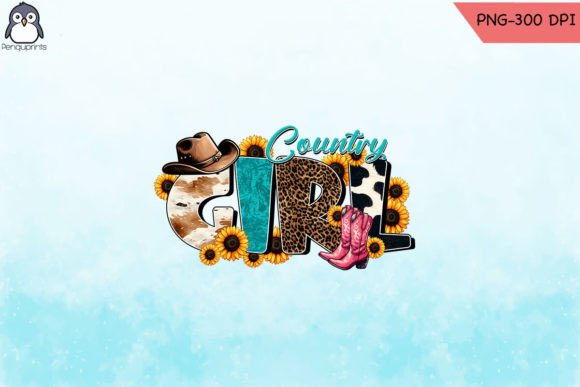
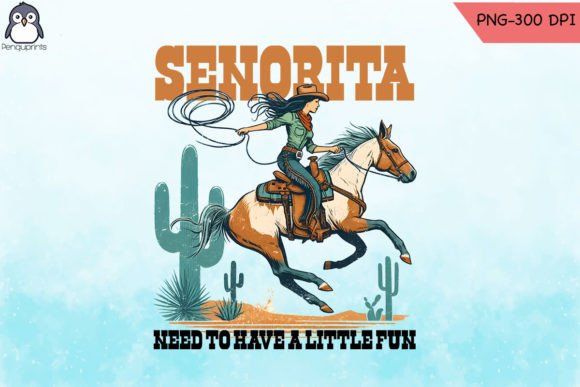
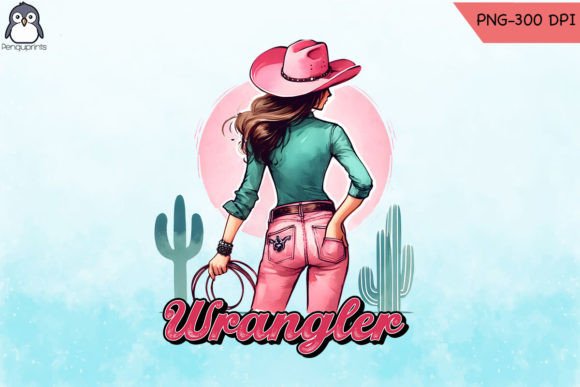
The moment you open the file, the theme is unmistakable. It taps into the rugged yet romantic aesthetic that has dominated craft business trends for years. There is a specific energy here—it’s not just a generic western motif; it feels curated. For an embroidery project, visual clarity is king. If the design relies too heavily on tiny, intricate details that get lost in the thread, it fails as a functional piece. From what I can see, the layout strikes a balance between bold statement and delicate detail. It creates a mood of effortless cool, perfect for the modern maker who wants their products to feel authentic rather than costume-y.
This kind of design assets works exceptionally well because it bridges the gap between traditional western wear and contemporary streetwear aesthetics. It doesn’t scream "tourist trap"; it whispers "boutique quality." That distinction matters immensely when you are trying to build trust with customers who are willing to pay a premium for handmade product excellence. The visual personality suggests versatility, allowing it to fit seamlessly into a cohesive brand identity without looking out of place next to more minimalist designs.
Real-World Application: Where This Design Shines
Let’s talk about actual use cases. I often find myself preparing custom orders for clients who want something unique but recognizable. Imagine creating a tote bag design for a local artisan market. A Western Cowgirl Sublimation Design PNG placed prominently on a heavy canvas tote immediately elevates the item from a plain accessory to a branded statement piece. The contrast of the sturdy fabric against the detailed embroidery would create a tactile experience that customers love to touch.
Similarly, consider sweatshirt embroidery. As seasons change, apparel becomes the highest-volume category for many Etsy seller accounts. Applying this design to a cropped hoodie or a classic crewneck offers a fantastic opportunity for personalization. The western theme resonates strongly with demographics that value individuality and heritage styles. Whether it’s for a birthday gift or a self-purchase, the design carries enough weight to justify the price point of a high-quality garment.
Beyond apparel, this file opens doors to home decor and accessories. Picture an embroidered patch applied to a denim jacket or a leather satchel. The durability required for such items aligns well with the robust nature of western imagery. Furthermore, for those exploring holiday embroidery, this design could be adapted for themed gifts during fall and winter markets, where rustic and cozy aesthetics are highly sought after. It also fits beautifully into nursery decor if scaled appropriately, offering a gender-neutral option for parents who appreciate artisanal touches over mass-produced prints.
Technical Considerations and Stitch Behavior
While the visual appeal is strong, the true test lies in the execution. Any experienced embroiderer knows that a beautiful raster image can become a stitching nightmare if not evaluated correctly. When reviewing this digital embroidery file, one must critically assess the stitch density. Western themes often involve large areas of texture, which can lead to bulkiness if not managed properly. If the design uses excessive fill stitches, it may pucker lighter fabrics, ruining the drape of a custom apparel item.
Pay close attention to how the satin stitch edges are handled. Sharp corners in western motifs—like stars or sharp angles in lettering—can sometimes result in thread breaks or misalignment if the machine isn’t perfectly calibrated. Running stitch details should be clean and consistent, avoiding gaps that expose the base fabric unless intentionally designed for a raw, edgy look. It is crucial to inspect small details closely; if elements are too minute, they will disappear once stitched, leaving the customer with a muddy, unclear image.
Another critical factor is the choice of thread colors. The success of this design will depend heavily on contrast. On dark fabrics, light threads might get lost, while on white fabrics, dark outlines might overpower the delicate features. Testing the design in black and white mockups is a wise preliminary step to ensure legibility across different colorways. Additionally, the interaction with fabric texture cannot be ignored. On textured materials like burlap or heavy tweed, fine details may vanish, so choosing the right substrate is part of the creative process.
Where Caution Is Required
Not every surface is suitable for this level of detail. Using this design on extremely small hoop sizes might force you to scale it down too much, compromising the impact of the artwork. Similarly, applying dense embroidery to stretchy knits without proper support can lead to distortion. Curved surfaces, such as baseball caps, require careful hooping techniques to prevent warping. If you plan to use this for frequent washing items like kitchen towels or baby clothes, ensure the stabilizer removal is thorough to avoid stiff, uncomfortable patches. Always check whether the design includes necessary anchor stitches to prevent unraveling over time.
Professional Notes for the Savvy Maker
To maximize the value of this embroidery file, I recommend a rigorous testing protocol. Never go straight to the final product. Start by stitching on scrap fabric that mimics the weight and stretch of your intended material. Use the correct stabilizer for the job—cut-away for stretchy garments, tear-away for wovens—to maintain stability. Inspect the finished sample for any puckering, loose threads, or missed connections.
For those selling these items, presentation is key. High-quality photos that show the texture of the stitches can significantly boost buyer engagement. Ensure that your listings clearly state care instructions, as embroidered items often require gentle handling. Before listing any small shop product derived from this design, confirm licensing terms. Even though the description mentions versatility, commercial rights vary. Protect your craft business by understanding exactly what you are allowed to do with the design assets.
In conclusion, Western Cowgirl Sublimation Design PNG offers a compelling blend of aesthetic charm and practical application potential. It is not just a graphic; it is a foundation for creating meaningful, tangible products. By approaching it with technical diligence and creative vision, designers and sellers can transform this digital file into a standout addition to their portfolio. It invites makers to explore the intersection of tradition and modern craft, resulting in finished products that resonate emotionally with recipients and stand up to the rigors of daily use.