Western Dragon, Viking, Medieval Art Review
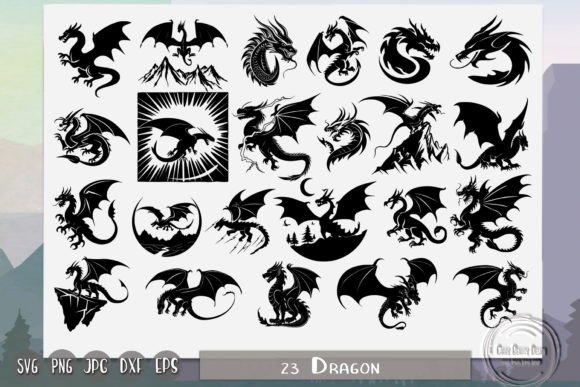
As a designer who spends half my life troubleshooting tension issues and the other half worrying about whether a client will actually wear what they paid for, I don’t just look at an embroidery file; I look at its potential. When I first pulled up Western Dragon, Viking, Medieval Art, my immediate reaction wasn’t just about the aesthetic—it was about execution. This is a digital download marketed heavily toward crafting programs like Cricut Explore, suggesting versatility across T-shirts, cup prints, wood sign stencils, and vinyl decals. But for those of us in the machine embroidery world, the real question is: how does this translate to thread?
The category sits firmly in Crafts and Graphics, but that doesn’t do justice to the specific niche it occupies. It appeals to the maker who wants to create something with weight and history. Whether you are an Etsy seller looking for your next best-seller or a hobbyist wanting to make a statement piece for yourself, understanding the nuances of this design is crucial before you hit the start button on your machine.
First Impressions: Mood and Visual Weight
The moment you import the file into your digitizing software or hoop it up, the personality of the design hits you. It isn’t subtle. The Western Dragon motif combined with Viking and Medieval art influences creates a heavy, bold visual language. In the world of embroidery, "bold" is both a blessing and a curse. On one hand, it reads clearly from across a room. On the other, it demands precision.
The layout feels aggressive yet structured, typical of medieval iconography where symmetry and strength were paramount. For a custom sweatshirt embroidery project, this design commands attention. It’s not a delicate floral accent for a baby onesie (though some parents might love the rugged aesthetic); it’s a centerpiece. The visual personality suggests durability and tradition, making it perfect for handmade products that aim to evoke a sense of heritage or fantasy.
When I imagine this on a finished product, I see it on a heavyweight cotton canvas tote bag design or perhaps centered on the back of a dark-colored hoodie. The theme naturally belongs to projects that celebrate strength, storytelling, and craftsmanship. It fits seamlessly into the realm of commercial embroidery where customers are buying more than just a garment—they are buying an identity.
Real-World Application: From Hoop to Shop
Let’s talk about practical use. I recently considered using a similar dense graphic for a batch of embroidered patches intended for leather jackets. The logic behind choosing Western Dragon, Viking, Medieval Art for such a project is sound. Patches allow for thicker fabrics and often ignore the limitations of stretchy knitwear, which makes them ideal for complex, high-detail designs.
However, if you are planning to use this as an embroidery file for small business merchandise, you need to think about your customer base. Who buys Viking-themed apparel? Often, it’s individuals who appreciate outdoor culture, historical reenactment, or fantasy genres. These customers value authenticity. If the stitching looks sloppy, the illusion breaks. Therefore, the quality of the satin stitch around the dragon’s scales and the fill stitch within the body becomes critical.
This design also has strong potential for holiday embroidery gifts. Imagine a personalized gift set featuring a kitchen towel or apron with this dragon motif for a partner who loves gaming or history. The emotional resonance of such a personalized product can drive sales far better than generic patterns. For an Etsy seller, creating printable mockups that show this design on rustic backgrounds—like burlap or dark denim—can significantly enhance buyer engagement by setting the right mood.
Where Caution Is Required
Not every surface is friendly to a design of this magnitude. There are specific scenarios where Western Dragon, Viking, Medieval Art could fail if you aren’t careful.
- Small Hoop Sizes: If the design is large, trying to fit it into a small hoop often requires digitizing tricks that can compromise detail. Ensure your hoop size matches the design’s scale.
- Textured and Stretchy Fabrics: Embroidering on ribbed knits or highly textured wool without proper stabilizer will result in puckering. The density of a medieval-style dragon likely requires a significant amount of thread, which pulls fabric. Use a cut-away stabilizer for stability.
- Dark Fabric Contrast: While dark fabrics suit the theme, they hide thread imperfections less effectively than mid-tones. A poor color choice here can make the design look muddy rather than majestic.
- Curved Surfaces: Applying this to caps or hats is risky. The curvature can distort the symmetrical elements of Viking art, making the dragon look crooked unless you have advanced curved-hooping skills.
- Dense Stitch Areas: Be wary of areas where the stitch density is too high. This can cause needle breakage or excessive heat buildup, damaging synthetic fabrics.
Technical Considerations for the Designer
Before committing to a full production run, I always advise testing the design on scrap fabric first. Check the thread color contrast carefully. Does the gold thread pop against the black background, or does it get lost? Review the stitch density—is there enough space between the fill stitches to prevent bulkiness?
It is also wise to inspect small details. In medieval art, fine lines can disappear if the running stitch is too sparse. Test the design in black and white mockups to ensure the shapes hold up without the crutch of vibrant colors. Confirm whether the design works for both personal and commercial projects. Since this is a digital download, licensing terms vary wildly. As a professional, you must confirm licensing before selling finished items or digital assets derived from this work.
Impact on Brand and Value
Using a distinctive asset like Western Dragon, Viking, Medieval Art elevates the perceived value of your handmade product. Customers associate unique, thematic designs with higher effort and care. When done correctly, this design enhances brand consistency for shops that focus on alternative, historical, or fantasy aesthetics.
It signals professionalism. A clean, well-stitched dragon on a premium tote bag tells the buyer that you understand your craft. It builds trust. Conversely, a poorly executed version can damage your reputation. That’s why checking the stabilizer choice and ensuring the fabric texture complements the design is non-negotiable.
For digital product sellers, offering this as part of a larger collection of design assets can increase average order value. Buyers looking for Viking themes often want cohesive sets—perhaps matching cap designs, pillow covers, or wall art stencils. By providing a versatile graphics package that works for vinyl decals and machine embroidery, you cater to a wider audience of creative entrepreneurs.
Final Verdict
Western Dragon, Viking, Medieval Art is a powerful tool for the right project. It is not a lightweight filler design; it is a statement piece. It shines in applications like embroidered patches, heavy-duty tote bags, and statement sweatshirts. It requires respect for fabric mechanics and precise digitizing choices to truly shine.
If you are ready to tackle the technical challenges, the reward is a finished product that stands out in a crowded marketplace. Just remember: always check the specifics of the embroidery file, verify your machine compatibility, and never skip the test stitch. When executed well, this design transforms simple materials into artifacts of style and story.